Iraq Moves Toward Resuming Kurdistan Oil Exports via Turkey After 30-Month Suspension
Peregraf
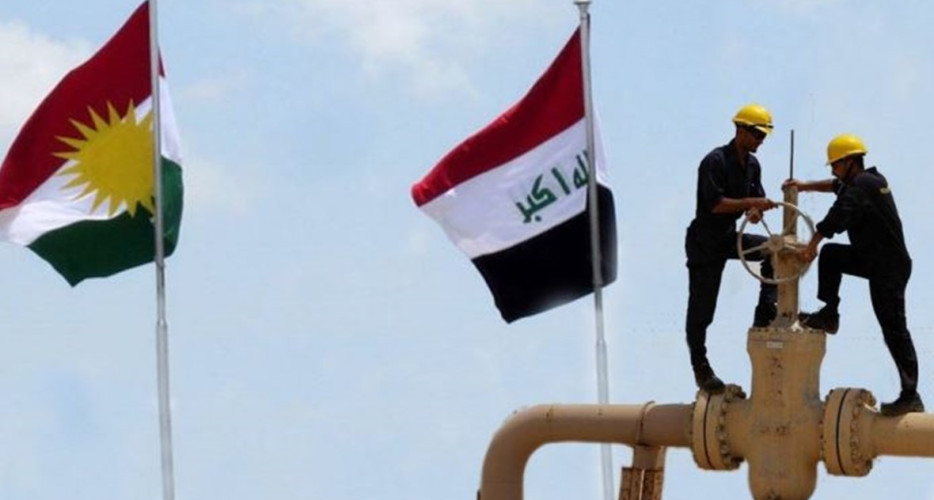
Iraq has taken a major step toward resuming pipeline oil exports from Kurdistan Region through Turkey’s Ceyhan port, sources familiar with the talks told Reuters. The breakthrough, if finalized, would restore at least 230,000 barrels per day (bpd) of crude to global markets at a time when OPEC producers are boosting supply to defend market share.
According to Reuters, Iraq’s cabinet has given preliminary approval to a draft plan negotiated between Baghdad, the Kurdistan Regional Government (KRG), and international oil companies operating in the Kurdistan Region. The Kirkuk-Ceyhan pipeline has been idle since March 2023, when an arbitration court ordered Turkey to pay Iraq $1.5 billion in damages over unauthorized Kurdish exports between 2014 and 2018. Ankara has said it is willing to reopen the pipeline, but exports have remained blocked due to political and legal disputes.
Under the current draft, the KRG would commit to delivering at least 230,000 bpd to Iraq’s state marketer SOMO, while reserving 50,000 bpd for local consumption. Sales from Turkey’s Ceyhan port would be handled by an independent trader at SOMO’s official prices. For every barrel sold, $16 would be set aside in an escrow account and distributed to producers, with the remainder going to SOMO.
While international companies such as Genel Energy, DNO, and Gulf Keystone have not publicly commented, executives told Reuters that negotiations were at their most advanced stage yet. “Discussions have intensified and we’re closer to a tripartite agreement than we’ve ever been, as all are showing flexibility,” one company executive said.
The draft plan leaves unresolved the issue of nearly $1 billion in unpaid arrears to oil companies, accrued between September 2022 and March 2023. Still, Genel’s Chief Financial Officer Luke Clements recently noted that “significant progress” had been made, though final approval is still needed.
The potential resumption comes as Iraq, OPEC’s second-largest producer, exports about 3.4 million bpd from its southern ports. Restoring northern flows would strengthen Baghdad’s revenues and help meet rising European demand amid reduced Russian supplies.
Alongside the talks reported by Reuters, the Kurdistan Regional Government confirmed on September 17 that it has formally agreed to hand over all its crude—except that reserved for domestic use—to SOMO. At a cabinet meeting chaired by Prime Minister Masrour Barzani, officials said the KRG had already submitted a written request to SOMO to take delivery of Kurdistan’s share.
KRG spokesperson Peshawa Hawramani stressed that Erbil had “fulfilled all its obligations” and called on Baghdad to release overdue July and August salaries, arguing there was “no justification” for withholding payments. The Kurdistan Council of Ministers also insisted that Baghdad must guarantee timely monthly salaries moving forward, in line with the rest of Iraq.
SOMO Director General Ali Nazar Al-Shatri confirmed that the federal government has completed its contractual arrangements and is prepared to receive Kurdish oil. He emphasized that the resumption of flows would not only unify Iraq’s oil marketing under federal law but also restore Baghdad’s prestige as a reliable supplier to Europe.
Exports from Kurdistan Region and Kirkuk have been halted for 18 months, costing both governments tens of billions of dollars. Peregraf estimates Kurdistan alone has lost more than $28 billion in revenues since March 2023, with total losses for Baghdad and Erbil combined exceeding $50 billion.
Observers say the coming days will be critical. If the draft tripartite deal is finalized, northern oil could return to international markets by the end of this week—providing long-awaited relief to Iraq’s strained finances and easing the salary crisis in the Kurdistan Region.