Peregraf
Iraq’s Ministry of Water Resources has announced a major shift in aquaculture policy, requiring fish farmers to transition from open-water ponds to closed systems in order to conserve dwindling supplies.
Unveiled under the slogan “Protecting Water Resources and Ensuring Sustainability”, the decision aims to rationalize water use, prevent waste, and ensure available resources are directed toward drinking, irrigation, and other essential needs.
The ministry urged farmers and investors in the fisheries sector to comply with the new rules, describing closed systems as “an important and fundamental step toward achieving sustainable development and protecting Iraq’s water security for future generations.”
Crisis growing sharper
Iraq is facing one of the most severe droughts in its modern history. Earlier this month, Turkey pledged to temporarily increase water releases from its dams into the Tigris and Euphrates after Baghdad requested help. Minister of Water Resources Aoun Diab said Ankara had shown “complete understanding of the crisis” and agreed to provide higher flows “within the framework of joint cooperation, understandings, and good relations.”
Despite that pledge, Iraq still receives less than 40% of its historical water share, largely due to large-scale dam projects in Turkey and Iran. Prime Minister Mohammed Shia al-Sudani recently convened the Supreme Water Council, approving emergency measures such as switching to low water-consuming crops, modernizing irrigation, and negotiating directly with neighbors for higher releases.
A Peregraf investigation revealed that more than 1,650 springs in Kurdistan have dried up, groundwater in Erbil has plunged nearly 500 meters since the 1990s, and reservoirs like Dukan and Darbandikhan are at critically low levels. Experts warn Iraq now ranks among the lowest globally in water security, with agricultural collapse and irreversible desertification looming if immediate action is not taken.
Balancing livelihoods and conservation
The fish farming sector is both a source of food and a major employer in Iraq, particularly in central and southern provinces. Traditional open ponds, however, consume millions of cubic meters of freshwater each year — much of it lost to evaporation or contamination.
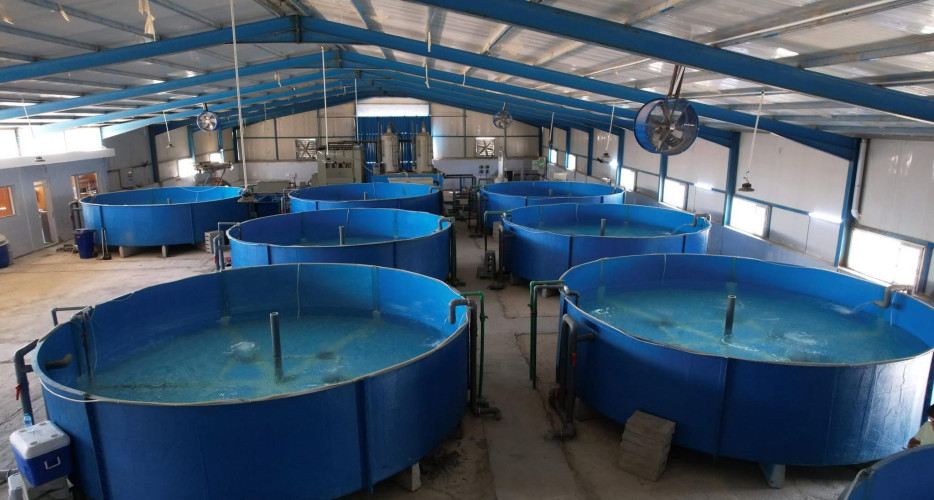
By contrast, closed-water aquaculture recycles and treats water within tanks, drastically cutting usage and improving quality control. While requiring higher initial investment, officials insist the shift is unavoidable in light of the crisis.
“The water crisis directly affects all aspects of life,” Deputy Prime Minister and Foreign Minister Fuad Hussein warned after meeting a Turkish delegation on August 31. He stressed that conservation measures must go hand in hand with diplomatic efforts to secure Iraq’s rights.
Part of broader reform
The ministry’s aquaculture directive is one piece of a broader package that includes curbing illegal wells, promoting drought-resistant crops, and tightening controls on agricultural water use. Implementation, however, remains a challenge amid chronic mismanagement and political delays.
For now, the shift to closed systems is seen as a tangible step toward conservation — but its success will depend on enforcement, financial support for farmers, and sustained cooperation with upstream neighbors.