Peregraf
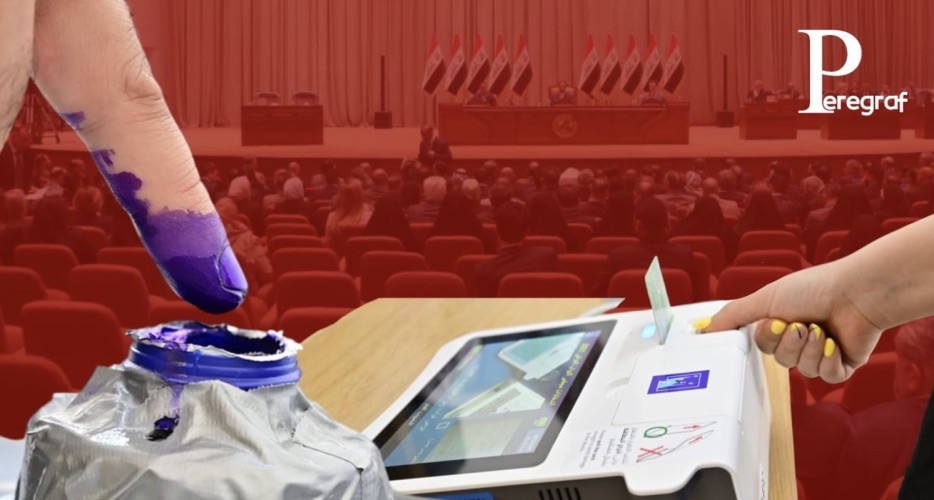
The Iraqi Independent High Electoral Commission (IHEC) has reaffirmed that Iraq’s 2025 parliamentary elections will rely on upgraded electronic verification devices to ensure transparency and prevent fraud, calling technology the “surest guarantee” of electoral integrity.
Hassan Salman, IHEC’s legal advisor, told the Iraqi News Agency that the voting process is safeguarded by three critical verification steps: biometric voter cards, live fingerprint scans on election day, and electronic confirmation through specialized devices. “One voter cannot be substituted for another,” Salman stressed, noting that all three layers must match before a ballot is issued.
To address flaws from past elections, IHEC has added new features to the system. In the 2021 vote, thousands of Iraqis were reportedly denied participation because their fingerprints could not be read by machines. For 2025, the devices will include a built-in camera to photograph such voters, ensuring their identity is recorded while preventing multiple voting attempts.
Role of international observers
IHEC also emphasized that international monitoring remains an important safeguard. International organizations are accredited for each election, provided with official badges, and expected to follow a code of conduct. Observers are tasked with evaluating whether Iraq’s elections meet global democratic standards, a process that has been part of every national vote since 2005.
While the commission now operates without direct reliance on United Nations electoral advisers, it continues to draw on international best practices in election technology and education. “The technological aspect has become fundamental to the electoral process,” Salman noted, adding that IHEC benefits from comparative experiences in other countries.
A history of contested elections
Elections in Iraq have often been accompanied by disputes over fraud, turnout, and political interference. The 2018 parliamentary vote was marred by allegations of electronic device malfunction and ballot tampering, forcing a partial recount. In 2021, the introduction of biometric cards and verification devices significantly reduced fraud claims, but public mistrust remained high.
For the 2025 elections, IHEC is seeking to project confidence by presenting technology as both a practical and symbolic guarantee of fairness. The addition of camera-enabled verification aims to close loopholes exploited in previous contests, while broader transparency measures are designed to reassure skeptical voters.
Political stakes
The elections are scheduled for November 2025 and are expected to be highly consequential. Major political forces, including Prime Minister Mohammed Shia al-Sudani’s coalition, Muqtada al-Sadr’s movement, and parties aligned with Iran-backed militias, will compete in a volatile environment. Meanwhile, Kurdish parties are under pressure to secure influence in Baghdad amid internal rivalries and unresolved disputes with the federal government over revenue-sharing.
IHEC’s ability to deliver a credible election will be closely watched, both at home and abroad. Iraq’s fragile stability depends in part on whether voters believe the outcome reflects their will rather than the power of political elites or armed groups.