Peregraf
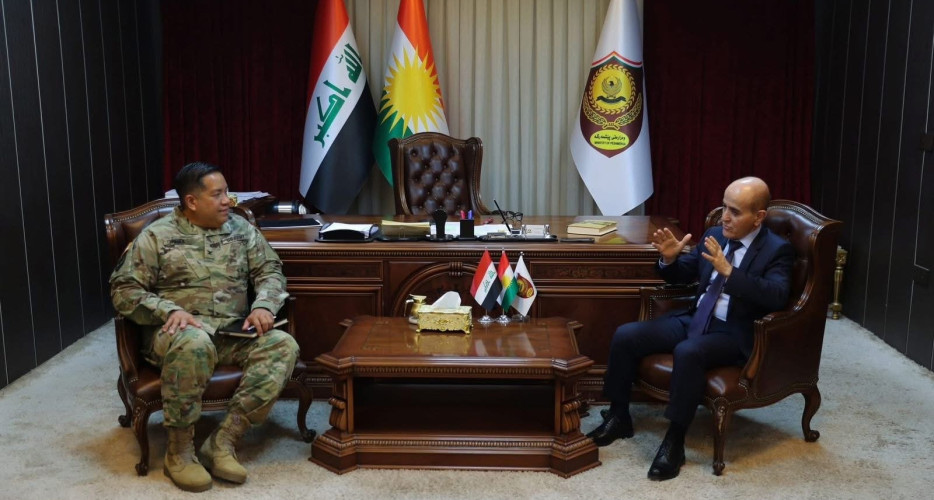
Kurdistan Regional Government (KRG) Peshmerga Minister Shorsh Ismail met with Colonel Pongpat (Deck) Piluek, Head of the U.S. Consulate General’s Security Cooperation Office in the Kurdistan Region, to discuss ongoing military reforms and the future of the Peshmerga forces.
Minister Ismail congratulated Colonel Piluek on his appointment and emphasized the importance of continued coordination between the Ministry of Peshmerga and the U.S. Security Cooperation Office. The meeting also addressed the latest developments in the reform process, including the establishment of two new areas of military leadership and infantry divisions within the Peshmerga structure.
“The Kurdistan Peshmerga Forces are currently in a stage of development and strengthening, and for this, we need the assistance of our friends,” Minister Ismail stated, praising the continuous support provided by the United States and its allies.
Colonel Piluek expressed satisfaction with the progress observed during his visit, reaffirming U.S. commitment to assisting the Ministry of Peshmerga in building a robust national military infrastructure and achieving the objectives of its reform process.
Challenges to Peshmerga Reform and Unification
Despite ongoing efforts, the reform and unification of the Peshmerga forces have faced significant challenges. A July 2025 report by the U.S. Department of State’s Office of Inspector General highlighted persistent political obstacles, financial constraints, and stalled efforts to unify the Kurdish military forces under a centralized command.
The Kurdistan Region’s internal political divisions, particularly between the Kurdistan Democratic Party (KDP) and the Patriotic Union of Kurdistan (PUK), have further complicated the reform process. These tensions have hindered efforts to professionalize the Peshmerga and strengthen its relationship with the international coalition.
The Peshmerga forces, the military arm of the KRG, have been undergoing a series of reforms aimed at modernizing their command structure, enhancing operational readiness, and consolidating several regional divisions under a unified chain of command. These efforts are intended to create a more professional, accountable, and capable force able to defend the Kurdistan Region and support Iraq’s broader security framework.
U.S. support has been a cornerstone of these reforms since 2014, particularly during the campaign against the Islamic State (ISIS), when Peshmerga forces played a critical role in defending northern Iraq and assisting coalition operations. The Security Cooperation Office in Erbil facilitates training, advisory support, and logistical aid to the KRG’s military institutions.