Qubad Talabani Reaffirms Sulaymaniyah as ‘City of Freedoms, Defends Rule of Law’ After Lalazar Clashes
Peregraf
Kurdistan Region Deputy Prime Minister Qubad Talabani has pledged that Sulaymaniyah will remain "a city known for freedoms, while insisting that unlawful armed groups cannot be tolerated".
“Sulaymaniyah, as it has always been known as the city of freedom of political activity and freedom of expression, will remain the city of freedoms now and in the future,” Talabani said. “But at the same time, the formation and movement of militias and armed forces outside the law cannot be accepted.”
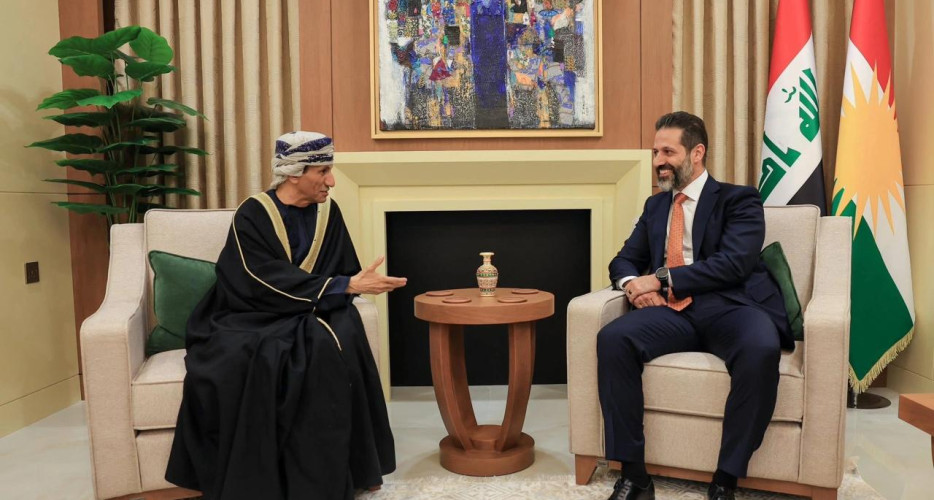
Talabani made the remarks during a meeting with Mohammed al-Hassan, the United Nations Secretary-General’s Special Representative for Iraq. He said both sides stressed the importance of the rule of law and respect for institutions, particularly in light of recent violence. Talabani assured that detainees arrested during the clashes will face due legal procedures and that “their legal rights will be protected like any other suspect.”
The Lalazar Clashes
The Lalazar conflict erupted on August 22, when PUK-led forces in Sulaymaniyah moved to execute an arrest warrant at the Lalazar Hotel, the headquarters of opposition leader and former Patriotic Union of Kurdistan (PUK) co-president Lahur Sheikh Jangi. His loyalists, known as the Scorpion Force, resisted, leading to hours of heavy fighting. At least five people were killed, dozens wounded, and more than 100 detained, with 162 individuals later confirmed in custody.
Following the clashes, Asayish accused Jangi and Azhi Amin — head of the Kurdistan Regional Security Council in Erbil and former Zanyari Agency intelligence chief — of plotting to destabilize Sulaymaniyah, including an alleged assassination attempt on PUK leader Bafel Talabani. Officials said suspects were caught monitoring Talabani’s movements with sniper rifles and suicide drones. Arrest warrants were issued against both men, with Amin charged under Article 406 (deliberate killing) and Article 56 (conspiracy against state security).
During a visit by the Independent Human Rights Commission in the Kurdistan Region (IHRCR), Jangi denied mistreatment or forced confessions, saying he was in good health and had already warned international representatives of the risk of clashes before the incident. Meanwhile, authorities allowed families of detainees to make visits, and the IHRCR urged relatives of missing persons to contact its Sulaymaniyah office.
Talabani’s latest comments appear aimed at reassuring both the local population and international observers that while the government is determined to dismantle unauthorized armed formations, detainees will still be treated within the framework of the law.
The situation has drawn wide attention, not only for its political implications within the PUK but also for its impact on security and stability in the Kurdistan Region.