Peregraf
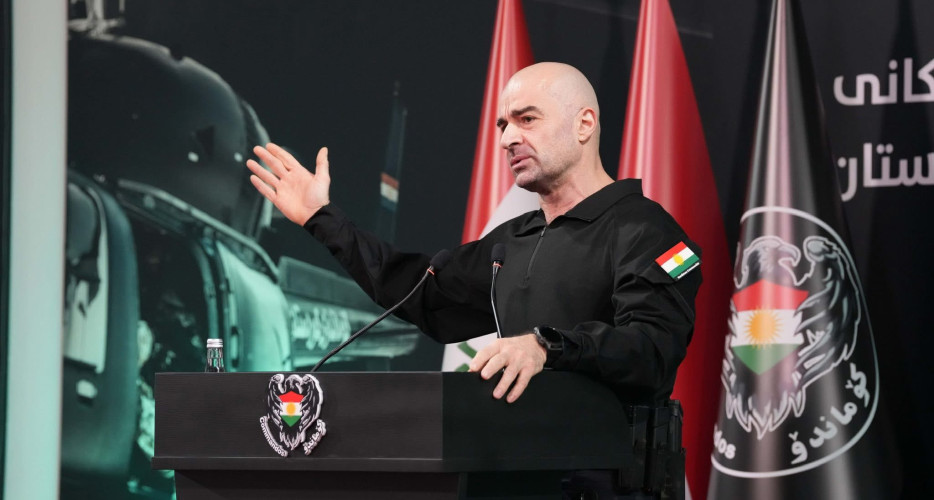
Patriotic Union of Kurdistan (PUK) President Bafel Jalal Talabani has issued a statement on the recent violence in Lalazar, Sulaymaniyah, stressing that “no militia is above the law” and urging legal authorities to act with fairness and transparency.
The city of Sulaymaniyah has been shaken by unrest since August 22, when armed clashes broke out in the Lalazar neighborhood between PUK-led forces and Lahur Shekh Jangi forces knowns as scorpion forces, the group accused of operating outside state authority. According to security officials, the armed group took up positions inside residential areas and attacked official security forces during an operation. The fighting lasted several hours and left at least five people dead and dozens injured, sparking fear among residents and widespread public concern.
In the aftermath, Sulaymaniyah witnessed heavy security deployments as authorities sought to prevent further escalation. Rumours quickly spread on social media, including claims of missing foreigners and mass arrests, which security officials later denied. A senior Asayish source told Peregraf that no American was “missing” in the conflict, confirming instead that an American citizen had been legally arrested. The source also dismissed reports of Ukrainian involvement and insisted that the confirmed death toll stood at five.
In his statement, Talabani condemned the actions of the militia, warning that such groups endanger innocent lives and undermine the institutions designed to protect society. He emphasized that the stability of the Kurdistan Region can only be preserved through lawful and democratic processes, not through force or intimidation.
“At such moments, it is easy for rumours and misinformation to spread,” Talabani said, criticizing some outlets for fueling confusion instead of providing clarity. He instructed PUK-affiliated media to avoid “amplifying baseless claims” and to focus on facts to protect public trust.
The Lalazar incident has exposed the ongoing challenges posed by armed groups in the Kurdistan Region, where questions of authority and control remain politically sensitive. While the government has pledged to unify all arms under official command, the presence of militias continues to undermine security and public confidence.
Talabani concluded by calling for legal accountability and unity: “The actions of unlawful militias must not be allowed to overshadow the will of our people for peace, unity, and democracy.”
The Lalazar Clashes
The Lalazar conflict erupted on August 22, when Sulaymaniyah Asayish forces moved to execute an arrest warrant at the Lalazar Hotel, the headquarters of opposition leader and former PUK co-president Lahur Sheikh Jangi. His loyalists, known as the Scorpion Force, resisted, leading to hours of heavy fighting. At least five people were killed, dozens wounded, and more than 100 detained, with 162 individuals later confirmed in custody.
Following the clashes, Asayish accused Lahur Sheikh Jangi and Azhi Amin — head of the Kurdistan Regional Security Council in Erbil and former Zanyari Agency intelligence chief — of plotting to destabilize Sulaymaniyah, including an alleged assassination attempt on PUK leader Bafel Talabani. Officials said suspects were caught monitoring Talabani’s movements with sniper rifles and suicide drones. Arrest warrants were issued against both men, with Amin charged under Article 406 (deliberate killing) and Article 56 (conspiracy against state security).
During a visit by the Independent Human Rights Commission in the Kurdistan Region (IHRCR), Jangi denied mistreatment or forced confessions, saying he was in good health and had warned international representatives of the risk of clashes before the incident. Meanwhile, authorities allowed families of detainees to make visits, and the Human Rights Commission urged relatives of missing persons to contact its Sulaymaniyah office.