Peregraf
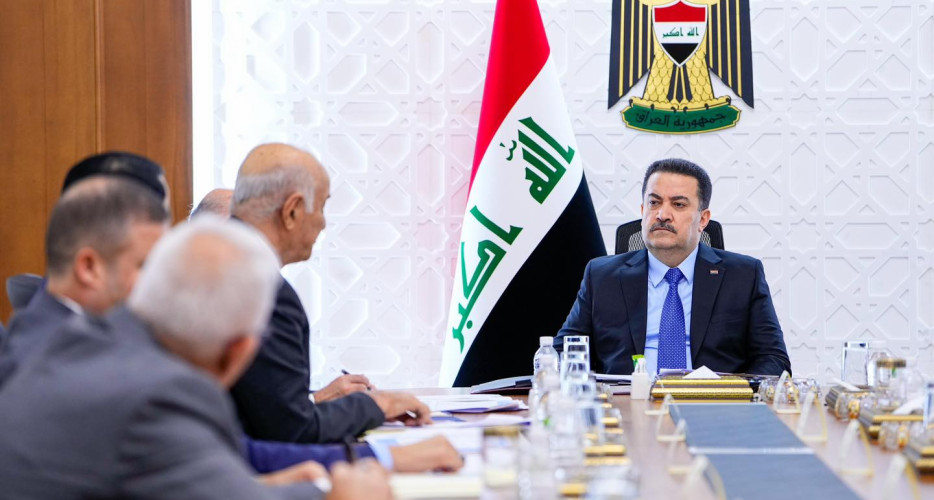
Iraq’s Prime Minister Mohammed Shia al-Sudani on Thursday chaired a meeting of the Supreme Water Council, approving a set of urgent measures to tackle the country’s worsening water crisis, while new findings from the Kurdistan Region reveal alarming mismanagement of critical resources.
According to a statement from the Prime Minister’s Media Office, the Minister of Water Resources presented an extensive review of the country’s water conditions and projections for the upcoming winter season. The briefing highlighted Iraq’s shrinking water share from the Tigris and Euphrates, growing pressure from climate change, and the mounting effects of drought on agriculture, the environment, and daily life.
The Council endorsed a series of policy measures, including adopting modern irrigation technologies, restructuring agricultural plans on flexible foundations that account for drought, and supporting farmers through social safety programs. It also called for shifting to low water-consuming crops and protecting agricultural supply chains.
Al-Sudani directed the Deputy Prime Minister and Minister of Foreign Affairs to convene a special meeting with relevant ministers and directors to draw up a comprehensive national water strategy. The Council also authorized engaging Turkey to release additional flows into the Tigris and Euphrates, and holding technical discussions with Iran over the Karun and Karkheh rivers.
Another priority approved was strengthening climate adaptation. The Council agreed to launch a financial and technical support program for farmers and livestock breeders in drought-hit areas and to expand cooperation among ministries on a roadmap for managing the long-term crisis.
The session comes less than two weeks after the Ministry of Agriculture confirmed that the UN-backed Green Climate Fund (GCF) had approved a $39 million project, implemented with the Food and Agriculture Organization (FAO), to help Iraq adapt farming to climate change. Sweden has also pledged $10.2 million for climate-smart agriculture and fish farming. Meanwhile, Iraq has planted over eight million trees nationwide in the past year as part of a national afforestation drive.
Yet, even as Baghdad announces new funding and plans, a Peregraf investigation into the water situation in the Kurdistan Region paints a stark picture of neglect. Despite being home to rivers, lakes, and more than 5,200 natural springs, the Region is suffering what experts describe as an "exhausted management crisis."
The investigation found that more than 1,650 springs have dried up, with groundwater levels in Erbil alone dropping by nearly 500 meters since the 1990s. Wells that once hit water at 120 meters now must be drilled to 700, while more than 28,000 unregulated wells accelerate depletion. Reservoirs in Kurdistan—particularly Dukan and Darbandikhan, which together hold almost a third of Iraq’s water—are at critically low levels.
Experts warn that without major investment in new projects, such as the long-delayed Bekhme Dam on the Great Zab River, both the Kurdistan Region and Iraq will face severe shortages. "With strategic planning, the Region can secure Iraq’s water future. Without it, both surface and groundwater are at risk," water resources specialist Dr. Abdullah Botani told Peregraf.
Water security analyst Sarmad Latif warned that Iraq now ranks among the lowest globally for water security. "If no action is taken, drought, desertification, and the collapse of agriculture are inevitable," he said.
As the Prime Minister calls for a national water strategy, experts stress that money and foreign aid alone will not be enough. Iraq’s ability to survive the crisis, they say, depends on political will, coherent policies, and long-overdue reform in managing the country’s most precious resource.