Turkey Awaits Baghdad Decision as Kurdistan-Baghdad Oil Deal Revives Hopes for Export Resumption
Peregraf
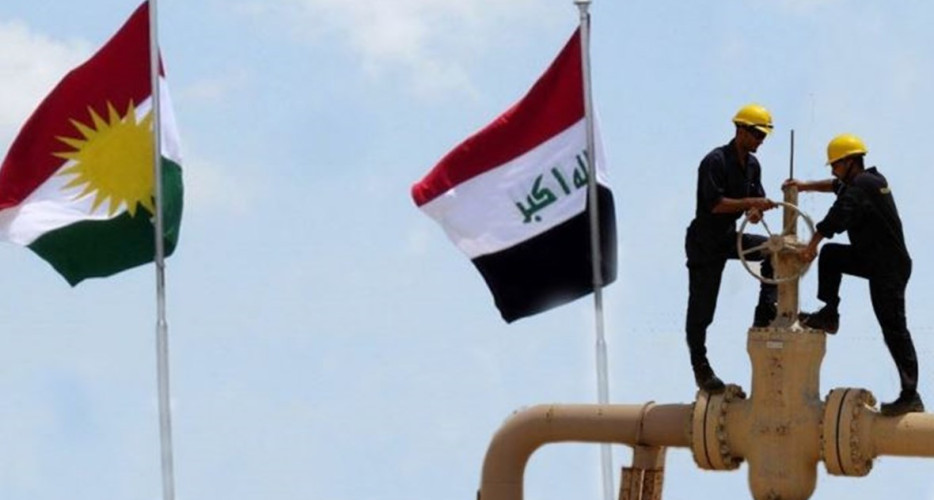
Turkey has announced that it has been ready to restart oil exports from the Kurdistan Region through the Ceyhan pipeline since October 2023, with Ankara waiting for Baghdad to finalize a new framework agreement. The announcement comes just days after Erbil and Baghdad reached a landmark deal to resume international exports, raising hopes of an end to nearly two and a half years of halted flows.
Turkish Energy Minister Alparslan Bayraktar told Sky News on Thursday that the Iraq-Turkey pipeline is fully operational and capable of immediately transporting oil to global markets. “We have been ready since October 4, 2023,” Bayraktar said, adding that Ankara has received “encouraging signals” from Baghdad about plans to restart flows.
Bayraktar also revealed that Turkey is seeking a new framework for transporting Iraqi and Kurdish crude, arguing that the existing pipeline agreement does not meet Ankara’s expectations nor global energy standards. He said he recently met Iraqi Oil Minister Hayyan Abdul-Ghani in Vienna to present a new draft agreement, which Baghdad is currently reviewing. Ankara’s stated goal is to fully utilize the line’s 1.4–1.5 million barrels per day capacity.
Breakthrough Between Erbil and Baghdad
The Turkish statement follows the Kurdistan Regional Government’s (KRG) announcement on Wednesday, August 13, 2025, that it had signed a comprehensive deal with Iraq’s Ministry of Oil to restart exports. After weeks of negotiations, delegations from both sides reached an agreement on August 11, under which the Kurdistan Region will keep 50,000 barrels per day (bpd) for local use, while the rest will be handed over to Iraq’s State Oil Marketing Organization (SOMO) for export via Turkey.
This marks a significant step in resolving a dispute that began in March 2023, when an international arbitration court ordered Turkey to halt independent Kurdish exports and pay damages to Baghdad. The suspension has cost Iraq and the Kurdistan Region an estimated $50 billion, according to KRG officials.
Production Recovers After Drone Attacks
The deal comes as the Kurdistan Region’s battered oil sector struggles to recover from devastating drone attacks in July that crippled production at several fields. Output dropped by more than 70 percent, from 300,000 bpd to just over 110,000 bpd.
However, production is now recovering. According to Yadgar Sadiq, head of the Runbin Organization for Transparency in Oil Processes, output has climbed back to around 220,000 bpd, with seven out of nine producing fields back online. Gulf Keystone Petroleum also confirmed it had resumed production at the Shaikan field, which can pump about 45,000 bpd. Tawke and Peshkabour, with a combined 70,000 bpd capacity, remain offline due to infrastructure damage.
Hurdles Ahead
Despite progress, major challenges remain. The most pressing is for Baghdad and Ankara to finalize an agreement to restart pipeline exports. Bayraktar stressed that Turkey is waiting for Iraqi technical teams to begin formal talks.
Meanwhile, the Kurdistan Region continues to face an acute financial crisis. Public sector employees have not been paid for two months, with the federal government tying salary disbursement to the delivery of oil. International oil companies are also seeking guarantees on cost recovery and arrears before fully resuming operations.