Peregraf
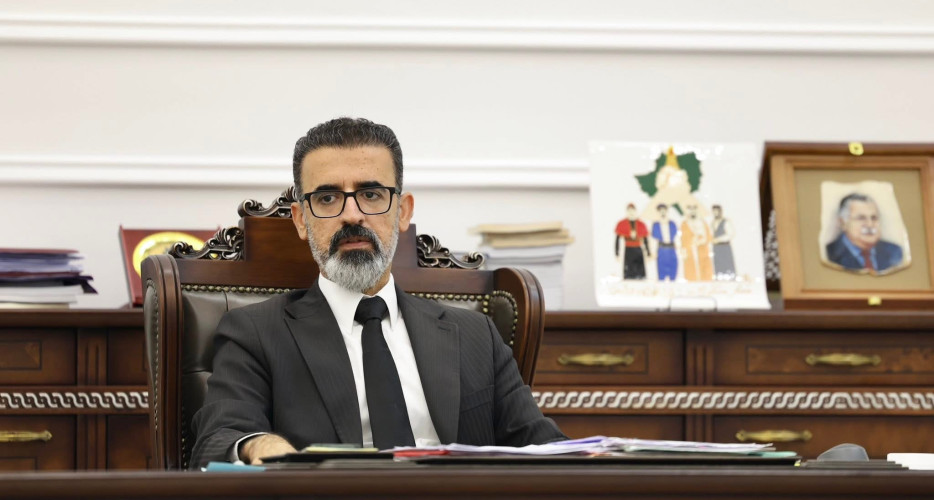
Iraqi Planning Minister Mohammed Tamim has confirmed that a political agreement signed by Bafel Talabani, leader of the Patriotic Union of Kurdistan (PUK), stipulates that Rebwar Taha’s tenure as governor of Kirkuk will end on December 31, 2025.
Tamim stressed that the accord is binding on all parties and was reached with the knowledge of political groups inside and outside the Kirkuk administration. His comments come amid growing disagreement among council members regarding the fate of the governorship.
A PUK member of the Kirkuk Provincial Council rejected claims that the deal involves an exchange of posts, saying critics may not have reviewed the text of the signed agreement.
Meanwhile, two Arab council members—Zahir Anwar Aasi and Raad Saleh—issued a joint statement on Friday, August 15, 2025, reaffirming their commitment to the agreement, which includes the rotation of the governor’s post and the release of missing Arabs from prisons. They urged all parties and guarantors to uphold the terms, warning that abandoning the deal would carry serious political risks.
Their remarks came after Ahmad Kirkuki, another council member from PUK, dismissed suggestions that such an agreement exists. “Do you have any evidence?” he asked during a recent appearance, adding that he would only respond conclusively “at the end of the year.”
The Sunni council members have now called on the PUK leadership to clarify whether Kirkuki’s statements reflect his personal stance or the official position of the party.
The dispute traces back to the controversial extraordinary session of the Kirkuk Provincial Council held in Baghdad on August 10, 2024. The meeting was attended by only five council members—three Arabs, the Christian representative, and one from the PUK. During the session, Rebwar Taha was elected governor of Kirkuk, while Mohammed Hafez from the Arab bloc was chosen as council speaker.
The Kurdistan Democratic Party (KDP) and Turkmen representatives boycotted the meeting, declaring it illegitimate and outside the framework of consensus-based governance traditionally applied in Kirkuk due to its sensitive ethnic and political balance. They argued that the absence of broad participation undermined the legitimacy of the council’s decisions and would deepen divisions in the province.
Since then, the governorship has remained contested, with different factions questioning the legality of Taha’s election and the broader legitimacy of the local administration formed under that vote.
With tensions rising among Kurdish, Arab, and Sunni representatives, the future of the Kirkuk governorship remains uncertain, as stakeholders continue to debate the legitimacy and enforcement of the political agreement.