Peregraf
The Kurdistan Democratic Party (KDP) and the Patriotic Union of Kurdistan (PUK) announced on Thursday that the Kurdistan Parliament will resume its normal activities next month, marking a potential breakthrough in the political deadlock that has gripped the region for months.
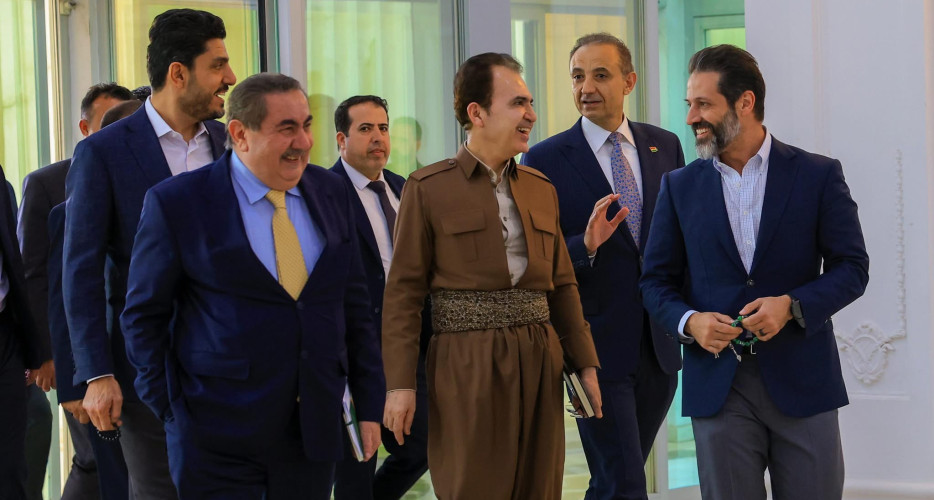
In a joint statement issued after a meeting of their negotiating delegations at the PUK’s Political Bureau in Erbil, both parties said they had made “great progress” toward implementing a common vision for the next phase of governance in the Kurdistan Region. The talks focused on practical steps to revive the parliament’s work and move toward forming a new cabinet.
“Taking into account the current situation in the region and respecting the will of the Kurdish people and the results of the sixth session of the Kurdistan Parliament, both sides agreed to make intensive and serious efforts to ensure the parliament resumes its normal and legal activities next September,” the statement read.
The 111-seat Kurdistan Parliament has been largely inactive since the October 20, 2024, elections, convening only once—on December 2, 2024—before officially entering its summer recess on July 1, 2025. Political disputes, primarily between the KDP and PUK, have stalled the formation of a new cabinet, leaving the legislative body effectively frozen. Despite the paralysis, lawmakers have continued to receive full salaries and benefits.
At a June 25 press conference, Kurdistan Regional Government (KRG) Prime Minister Masrour Barzani acknowledged the impasse, saying broad governance goals were agreed upon but disagreements over high-level positions persisted. The KDP, which holds 39 seats, has pushed for an inclusive government but indicated it could form a majority cabinet if necessary. The PUK controls 23 seats, while 38 seats are held by smaller parties and minority representatives.
If the September timeline is met, it would end one of the longest periods of legislative stagnation in the Kurdistan Region’s recent history, though observers caution that deep political divisions could still hinder progress on forming a functioning cabinet.