Peregraf
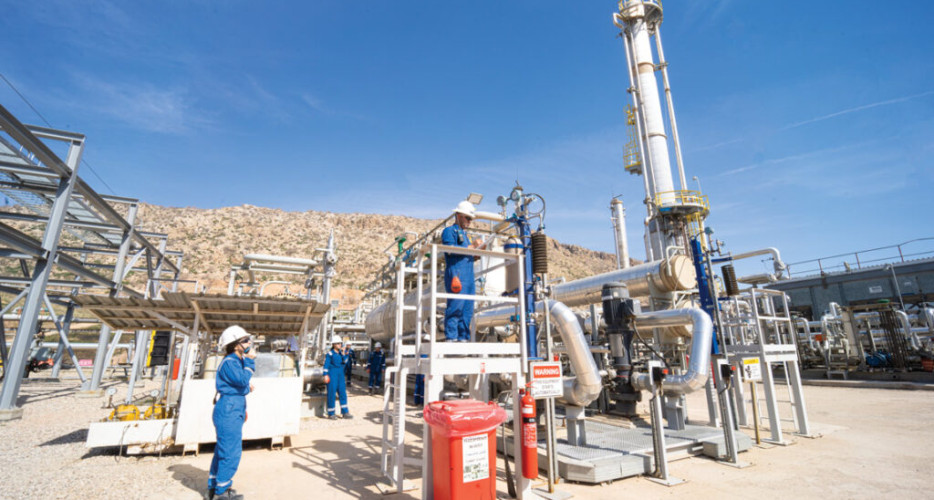
Gulf Keystone Petroleum has restarted production at the Shaikan oilfield in Iraq’s Kurdistan Region after operations were suspended last month due to repeated drone attacks, the company announced on Wednesday.
According to Reuters, output resumed in the Shaikan oil field following a security assessment and consultation with the Kurdistan Regional Government (KRG). Shaikan is located about 60 kilometers northwest of Erbil.
Since June 30, more than ten drone-related incidents have been reported across Erbil, Duhok, Sulaymaniyah, and Zakho. Most attacks have targeted vital oilfields and energy infrastructure, prompting concern over escalating insecurity in the region. The KRG’s Ministry of Natural Resources has reported “substantial material losses” from the strikes. A Peregraf investigation found that five of the region’s eight active oil contract areas—covering nine oilfields—have been targeted. Some fields have been forced to halt operations altogether, with officials citing security risks as the primary reason.
Drone strikes on oil infrastructure in recent weeks have reduced crude production across the Kurdistan Region by an estimated 140,000 to 150,000 barrels per day, affecting multiple operators.
Gulf Keystone said it will provide an update on production and sales in its first-half results later this month. The company remains in talks with government stakeholders to restart pipeline exports, contingent on securing written agreements.
The Kirkuk–Ceyhan pipeline, the main export route for Kurdistan’s crude, has been offline since 2023 following an arbitration ruling ordering Turkey to pay Iraq $1.5 billion for unauthorized exports between 2014 and 2018 — a decision Ankara is appealing.
The resumption comes amid renewed momentum between Erbil and Baghdad to implement a deal reintegrating Kurdish oil into the federal export system via Iraq’s State Oil Marketing Organization (SOMO). Under the agreement, the KRG is required to deliver at least 230,000 barrels per day to SOMO in return for $16 per barrel, paid in cash or oil products, as stipulated in the federal budget law.
Currently, Kurdistan produces around 130,000 barrels per day, of which 50,000 are used domestically and the remaining 80,000 earmarked for export through Ceyhan. KRG officials say drone attacks have hindered their ability to meet the quota but stress they are delivering available volumes.
On August 6, Iraqi Oil Minister Hayyan Abdul-Ghani visited Kirkuk and confirmed the current allocation — 80,000 barrels for export and 50,000 for domestic consumption. He also dismissed allegations of oil smuggling or mixing at Iraqi ports, saying no credible international evidence supports such claims and that recent documents cited in reports refer to financial transactions, not unauthorized oil movements.
The oil handover arrangement is part of a broader financial and administrative deal between Baghdad and Erbil, approved in mid-July, which also covers non-oil revenues, salary payments, and budget auditing. Joint committees have been formed to oversee its implementation.
The salary crisis has left 1.2 million public employees in the Kurdistan Region unpaid, severely impacting the local economy, eroding public trust, and increasing pressure on both Kurdish and federal leaders to resolve the deadlock. Pending full delivery of the agreed oil volumes, the Iraqi Ministry of Finance is expected to release June salaries for public sector workers.