Iraq’s Prime Minister Calls for Ministerial Changes Amid Political Obstruction, Refers Four Ministers to Judiciary
Peregraf
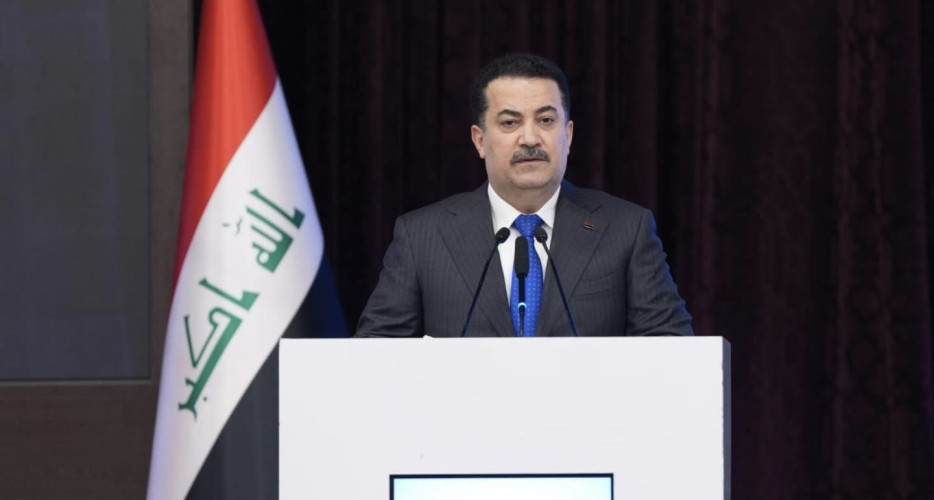
Prime Minister Mohammed S. Al-Sudani chaired the First Government Performance Evaluation Conference today, underscoring the urgent need to reform Iraq’s state institutions through rigorous performance assessment and accountability.
Speaking at the conference held under the banner “Performance Evaluation: A Path towards Reform and Government Excellence,” Al-Sudani emphasized the government’s firm commitment to reform, despite significant political obstacles that have hindered swift action.
The Prime Minister revealed that the government program’s pledged cabinet reshuffle — aimed at replacing underperforming ministers — has been stalled due to political interference. Several political parties reportedly proposed replacing ministers with candidates of weaker qualifications, obstructing efforts to improve governance.
“Some political forces proposed replacements of a much lower caliber than the ministers evaluated,” Al-Sudani said, stressing that such moves undermine the country’s reform efforts.
The government’s performance evaluation, conducted by higher committees comprising oversight bodies, ministries, technical experts, and university professors, assessed officials at all levels. The results led to the dismissal of 41 directors-general from permanent posts and ended 89 acting appointments, with an overall change rate exceeding 21% among those evaluated.
Notably, the evaluation of deputy ministers and advisers culminated in the Council of Representatives permanently appointing several of them—an unprecedented decision since 2003.
The Evaluation Committee has recommended that six ministers be included in the upcoming cabinet reshuffle. While the government is determined to implement these changes promptly, four ministers have already been referred to the judiciary due to serious indicators and suspicions related to financial and administrative corruption.
“Indicators of corruption were dealt with immediately, outside the evaluation framework, reflecting our zero tolerance policy,” the Prime Minister declared.
He expressed gratitude to the officials who excelled in their roles, reaffirming support for their continued service.
The conference marks a critical step in Iraq’s ongoing effort to improve government performance, enhance transparency, and root out corruption, despite political hurdles that remain a challenge to meaningful reform.