SOMO Director: Kurdistan Oil Export Contracts Finalized, Awaiting Delivery to Begin Shipments
Peregraf
Iraq’s State Oil Marketing Organization (SOMO) has confirmed its readiness to resume oil exports from the Kurdistan Region, with Director General Ali Nizar stating that all logistical and contractual preparations have been finalized.
“All contracts with purchasing companies have been finalized, and we are fully ready to begin oil exports from the region as soon as the producing companies commence delivery of their output,” Nizar told the Iraqi News Agency (INA).
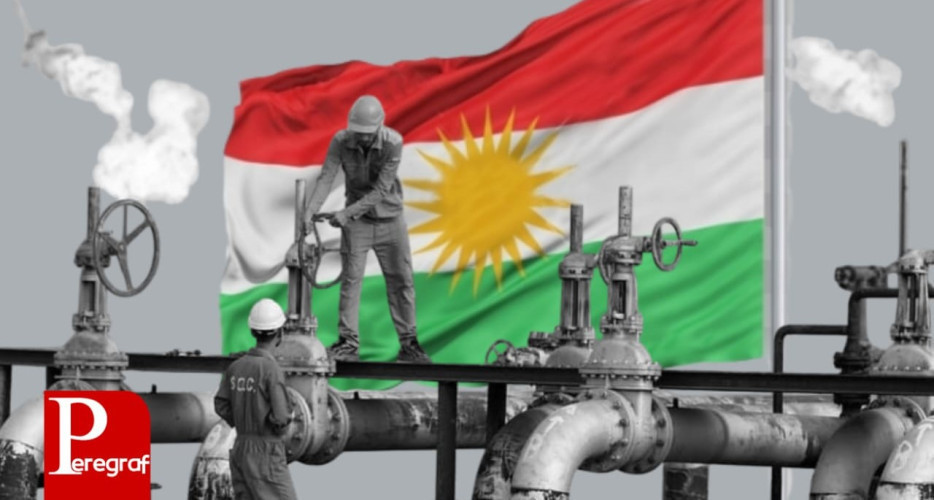
His remarks come amid growing momentum between Erbil and Baghdad to implement a recent agreement that would reintegrate Kurdistan’s oil into the federal export system through SOMO. According to the deal, the Kurdistan Regional Government (KRG) must deliver no less than 230,000 barrels per day to SOMO, in exchange for payments of $16 per barrel in cash or oil derivatives, as stipulated by the federal budget law.
Currently, oil production in the Kurdistan Region stands at around 130,000 barrels per day, of which 50,000 barrels are allocated for domestic use. The remaining 80,000 barrels are to be handed over to SOMO for export via Turkey’s Ceyhan port. However, the KRG has noted that drone attacks have limited its ability to deliver the full amount but affirmed its commitment to hand over what is available.
On August 6, Iraqi Oil Minister Hayyan Abdul-Ghani visited Kirkuk and said that 80,000 barrels per day have been earmarked for export, while 50,000 will be used domestically within the Region.
Meanwhile, Nizar dismissed recent allegations of oil smuggling and blending at Iraq’s ports. “The claims suggesting that certain locations are being used for smuggling Iraqi oil or mixing it with oil from neighboring countries are completely unfounded,” he said, stressing that no credible evidence from any international entity supports such accusations.
He clarified that a previously circulated document referenced financial transfers and not any physical smuggling or unauthorized loading operations. “There is no scientific or factual basis for these concerns,” he added.
The oil export arrangement is part of a broader financial and administrative understanding between Baghdad and Erbil, approved by both the KRG Council of Ministers on July 16 and the Iraqi Cabinet the following day.
In addition to oil handover, the deal also addresses the KRG’s non-oil revenues, salary payments, and budgetary auditing mechanisms. Implementation of the terms is ongoing, with several joint committees established to oversee compliance and technical processes.
Pending the full delivery of the agreed oil quantities, the Federal Ministry of Finance is expected to release the June salaries of public employees in the Kurdistan Region, according to federal directives.
With SOMO now operationally ready, the next step hinges on the producing companies in the Kurdistan Region initiating the actual handover — a move that would mark a significant milestone in the long-delayed normalization of oil relations between Baghdad and Erbil.