Peregraf
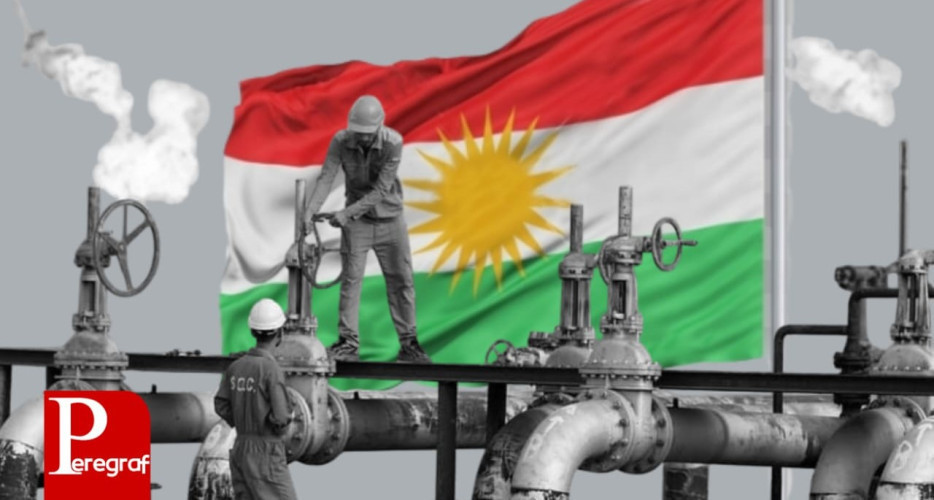
Iraq’s Oil Minister Hayyan Abdul Ghani announced Tuesday a partial agreement with the Kurdistan Regional Government (KRG) to receive 80,000 barrels of oil per day, amid continued negotiations to fully restore oil exports from the Region.
Speaking at a press conference in Kirkuk, Abdul Ghani confirmed that of the daily total, 50,000 barrels will be used for domestic consumption. He added that the Kurdistan Region currently produces about 130,000 barrels per day, and Baghdad is prepared to receive the full volume.
Negotiations between Baghdad and Erbil are ongoing as part of efforts to implement a broader oil-for-budget agreement aimed at resolving the salary crisis in the Kurdistan Region. Under the deal, the KRG is obligated to deliver 230,000 barrels of oil per day and transfer 120 billion dinars in monthly non-oil revenues to the federal treasury. In return, Baghdad would cover the salaries of 1.2 million public sector workers in the Region.
However, the KRG has informed Baghdad that it cannot meet the full oil delivery quota due to a sharp drop in production following recent drone strikes on critical oil infrastructure.
Iraqi Prime Minister Mohammed Shia al-Sudani gave the KRG a one-week deadline to begin delivering the available oil. The ultimatum, issued during Tuesday’s cabinet meeting, directly links the resumption of salary payments to the implementation of the oil deal.
Oil Minister Abdul Ghani presented a report during the meeting outlining the current production levels and the operational impacts of the attacks. Despite acknowledging the KRG’s limited capacity, Prime Minister Sudani stressed the need to begin implementing the agreement immediately.
No definitive date was set for the disbursement of delayed wages. However, federal officials signaled that if the KRG starts fulfilling its obligations—particularly oil deliveries—salaries for June would be transferred first, followed by July payments.
The unresolved salary crisis has left public employees in the Kurdistan Region unpaid for two consecutive months, deepening the economic strain and stoking frustration among the workforce. The situation has also increased political pressure on both Erbil and Baghdad to break the deadlock.