Peregraf
The United States has reiterated strong opposition to Iraq’s proposed law to formalize the Popular Mobilization Forces (PMF), warning that it would entrench Iranian influence and empower armed groups outside of state control.
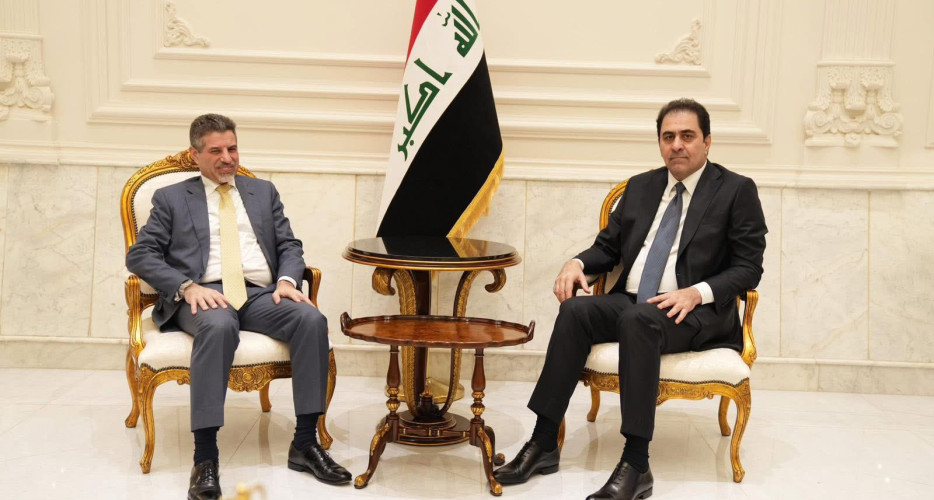
In a post on X, the U.S. Embassy in Baghdad said, “CDA Fagin reiterated U.S. concerns with two proposed PMC/PMF bills during his August 2 meeting with First Deputy Speaker Mandalawi. As U.S. Secretary of State Marco Rubio stated, PMC legislation would institutionalize Iranian influence and strengthen armed terrorist groups, undermining Iraq’s sovereignty.”
The warning comes amid growing international and domestic pushback against the draft law, which aims to establish a comprehensive legal framework for the PMF, also known as Hashd al-Shaabi. Critics say the bill threatens Iraq’s sovereignty and risks destabilizing its fragile political balance.
On Saturday, Iraqi Parliament Deputy Speaker Shakhawan Abdullah, a senior official from the Kurdistan Democratic Party (KDP), echoed those concerns.
“There are certain rules for a certain class, but the damage is for the whole of Iraq,” he told reporters. “This message is understood by both Sunnis and Shiites. Therefore, we do not think it is time for this law to be passed.”
The proposed legislation, backed largely by Shiite blocs, includes 18 articles and was approved by the Council of Ministers on February 25, 2025. It has already passed its first and second readings in Parliament and is now awaiting inclusion on the legislative agenda for a final vote.
Supporters of the bill argue it would “complete the legal framework for the Commission’s work and strengthen its role within the national security system.” The Security and Defence Committee reviewed the law on July 29, in the presence of PMF Secretary-General Lieutenant General Tahseen Abdul Matar, who briefed MPs on its provisions. The Committee later recommended forwarding the bill to the Speaker and his deputies for scheduling.
But many Kurdish and Sunni lawmakers see the move as a step toward legitimizing Iranian-backed armed factions and sidelining Iraq’s regular security forces.
The U.S. has raised these concerns directly with Iraqi leadership. On July 23, Secretary of State Rubio warned Prime Minister Mohammed Shiaa al-Sudani during a phone call that the law would “institutionalize Iranian-backed armed groups” and undermine Iraqi sovereignty. Washington continues to urge full integration of PMF units into the Iraqi military and the disbandment of militias designated by the U.S. as terrorist organizations.
Prime Minister Sudani has defended the legislation, calling the PMF “an official military body operating under the authority of the Commander-in-Chief of the Armed Forces.” He pointed to existing legal frameworks for other security bodies, such as the National Intelligence Service and National Security Service, as precedent.
Tehran has been a vocal proponent of the PMF’s institutionalization. During a January 8 meeting in Tehran, Iranian Supreme Leader Ali Khamenei described the force as “one of the most important components of force in Iraq” and urged Baghdad to protect and strengthen it.
The fate of the PMF law remains uncertain. Whether it will be amended, delayed, or pushed through under political pressure, it has already become one of Iraq’s most polarizing and consequential legislative battles in recent years.