Peregraf
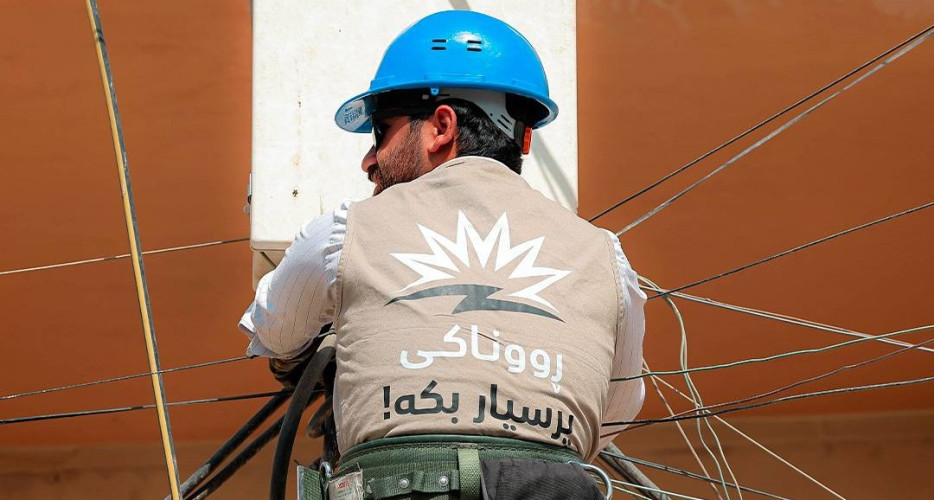
The Kurdistan Region's Runaki ("Lighting") project has reached a new milestone, now providing uninterrupted 24-hour electricity to more than 2.7 million citizens, according to newly released data from the project’s management. This represents around 40% of the Region’s total population, marking a major step toward full implementation by the end of 2026.
Launched in October 2024 by Prime Minister Masrour Barzani, the Runaki initiative aims to replace the decades-long reliance on private diesel generators with a stable national electricity grid. The project has already begun reshaping daily life across cities like Sulaimani, Erbil, Duhok, and Halabja, as well as altering energy consumption patterns and the local appliance market.
Under the new system, electricity is billed using a tiered pricing model ranging from 72 to 350 dinars per kilowatt-hour, prompting many households to reduce usage and shift to energy-efficient appliances. Government data indicates that 80% of connected households now pay less than they previously did when relying on both national power and private generators.
As part of the rollout, over 2,100 neighborhood generators have been shut down in provincial capitals, with more than 7,000 expected to be phased out by the end of 2026. The government says all four provincial centers will have full 24-hour electricity by late 2025.
Private generators—once a lifeline during frequent blackouts—have long been criticized for their contribution to air pollution and health risks, including cancer. A previous Peregraf investigation revealed that many rely on low-quality fuel from illegal refineries, raising serious public health and environmental concerns.
Despite challenges, including delayed financial support for solar energy and alternative systems, the Kurdistan Regional Government (KRG) sees Runaki as a cornerstone of energy reform and environmental protection, promising long-term stability and a healthier future for the region’s population.