Federal Court to Hear Complaint Aiming to Cancel Kurdistan’s 24-Hour Electricity Project
Peregraf
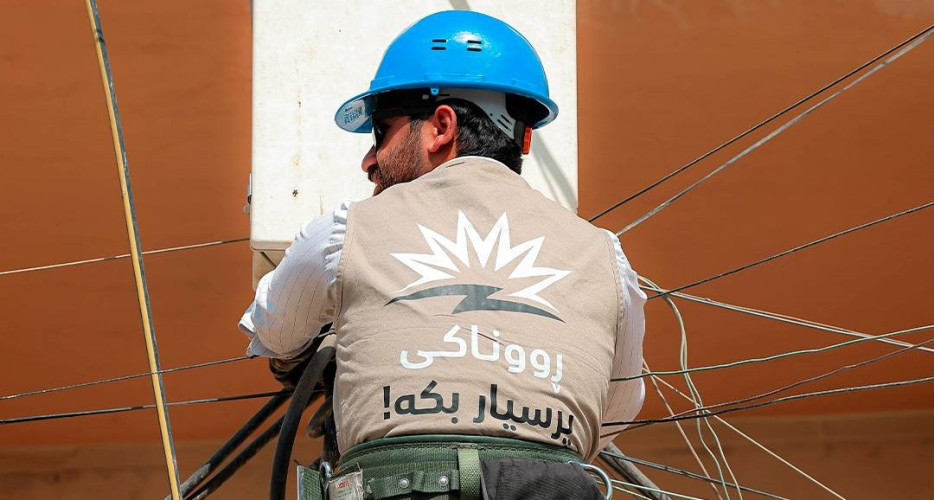
The Iraqi Federal Supreme Court is set to hear three complaints related to the Kurdistan Region on Monday, July 28, including a case targeting the Kurdistan Regional Government’s (KRG) flagship "Runaki" (Lighting) project, which aims to provide 24-hour electricity across the region.
The complaint against the project was filed by Srwa Abdulwahid, head of the New Generation Movement (NGM) faction in the Iraqi parliament. It demands the cancellation of the KRG Council of Ministers’ decision to implement the Runaki project, citing concerns over its legality and cost to citizens. The court first reviewed the case on July 20 before adjourning it to this week.
Launched in October 2024 by Prime Minister Masrour Barzani, the Runaki project has been hailed by the KRG as a national modernization effort led by the Ministry of Electricity. It aims to connect all households and businesses in the Kurdistan Region to uninterrupted power by the end of 2026. Currently, more than 2 million citizens and over 500,000 subscribers—representing about 30% of the region's population—are part of the system.
However, the project has sparked public debate, particularly over its pricing model.
The government argues that the project is helping phase out the long-standing reliance on private diesel generators, which have powered homes since the 1990s but have contributed to environmental pollution and health risks, including cancer. The Ministry of Electricity says over 7,000 private generators will be shut down as the project expands.
Two Other Complaints Demand Salaries for KRG Employees
In addition to the Runaki case, the court will also hear two separate complaints filed by KRG salaried employees against Iraqi Prime Minister Mohammed Shia al-Sudani and Finance Minister Taif Sami. The employees are urging the court to compel Baghdad to pay public sector wages in the Kurdistan Region.
These cases were initially heard on July 14 and rescheduled to July 28. Their resumption comes just days after the Iraqi Ministry of Finance transferred salaries for May 2025 to the region, following a recent oil and revenue-sharing agreement between Erbil and Baghdad.