KRG Transfers 120 Billion Dinars to Baghdad Amid Ongoing Salary Crisis, Oil Disputes
Peregraf
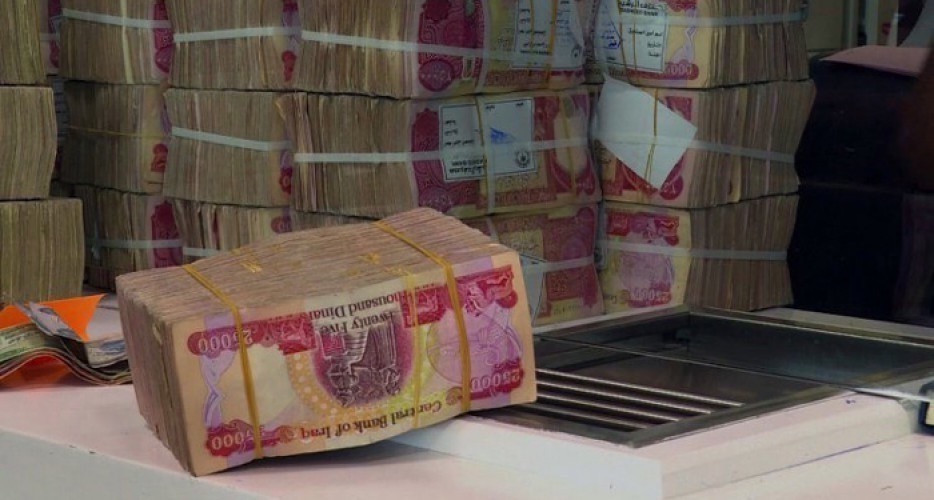
The Kurdistan Regional Government (KRG) Ministry of Finance announced on Tuesday that it has transferred 120 billion Iraqi dinars in non-oil revenues for May 2025 to the account of the Iraqi Federal Ministry of Finance. The move is part of a broader financial and oil agreement with Baghdad aimed at resolving the Kurdistan Region’s salary crisis.
Under the agreement, the KRG is required to deliver 230,000 barrels of oil per day and transfer 120 billion dinars in monthly internal revenues to the federal treasury in exchange for the release of civil servant salaries by Baghdad. However, despite fulfilling the non-oil revenue requirement, public sector workers in the Kurdistan Region have yet to receive their salaries for May and June—deepening frustration and economic hardship across the Region.
Iraqi government spokesman Bassem al-Awadi reiterated Baghdad’s position, saying that salary payments are contingent on the full delivery of the agreed oil quantity. “The Kurdistan Region should deliver 230,000 barrels of oil daily to SOMO and pay the salaries of its employees,” he told the Iraqi News Agency. He added that a joint committee will be formed to monitor non-oil revenues and that 50,000 barrels of oil will be allocated for domestic consumption in the Region.
However, the KRG says it is currently unable to meet the oil delivery requirement due to reduced production following recent drone strikes on oil infrastructure in the Region.
Kurdistan Region Prime Minister Masrour Barzani launched a strong criticism of the federal government on July 20, accusing Baghdad of using economic pressure to punish the people of Kurdistan and obstruct the Region’s development.
“Despite our commitment to send 230,000 barrels of oil and 120 billion dinars in revenues, Baghdad continues to add new conditions and withhold salaries,” Barzani said. “They’ve added a clause saying they won’t send salaries unless they receive the full oil quota. But terrorists are attacking our oil fields—how can we fulfill this?”
He accused the federal government of acting unconstitutionally and using salary payments as a tool of political leverage. “Instead of letting us serve the citizens, they punish them by withholding their salaries,” he said during the inauguration of an emergency water supply project in Erbil.
The dispute reflects the ongoing strain in Erbil-Baghdad relations, despite recent agreements aimed at fostering cooperation.