Peregraf
Kurdistan Regional Government (KRG) Interior Minister Rebar Ahmad has dismissed the need for an investigation into the recent wave of drone strikes targeting the region’s vital oil infrastructure, calling the attacks “very clear” in their origin, without naming specific groups or locations.
“These are terrorist acts targeting the economic nerve of the Kurdistan Region,” Ahmad told reporters Thursday. “We are coordinating with the federal government to prevent these attacks and protect vital sites. We have also requested support from international coalition forces.”
Although the minister stopped short of naming perpetrators, the KRG has previously accused factions within the Hashd al-Shaabi (Popular Mobilization Forces - PMF), a powerful state-backed militia network, of orchestrating the strikes.
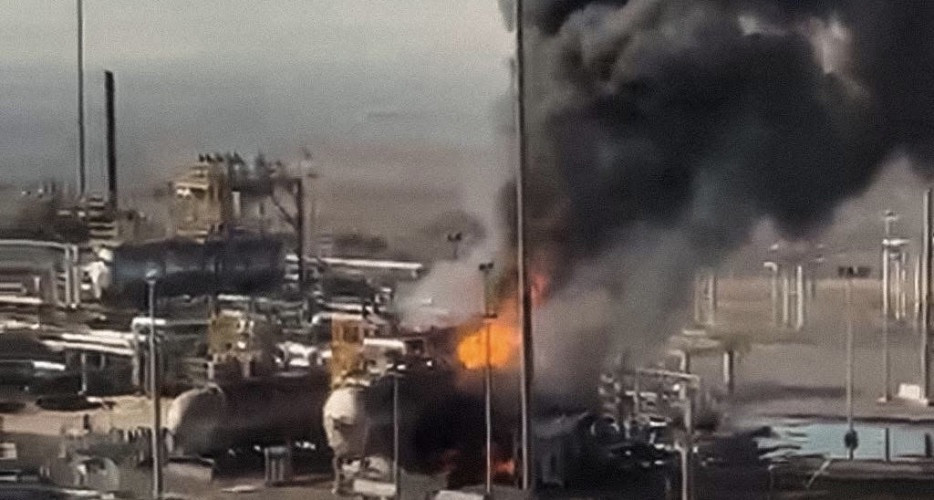
The call for federal action comes as drone attacks intensify across the Kurdistan Region. On Thursday morning, a drone struck the DNO-operated Tawke oil field in Zakho at 10:55 a.m., according to the Kurdistan Directorate General of Counter Terrorism (CTD). This week, on Wednesday, three drones hit the Tawke, Pishkhabur, and Ain Sifni fields in Duhok province, causing material damage but no reported casualties.
Since June 30, more than ten drone-related incidents have been reported in Erbil, Sulaymaniyah, Duhok, and Zakho. In addition to energy infrastructure, the targets have included military bases, refugee camps, and civilian areas, sparking fears about regional stability.
On Tuesday, the Ministry of Natural Resources described the situation as “unprecedented,” confirming that at least five major oil fields had been hit within a 35-hour window. These include Khurmala, Sarsang, Ain Sifni, Tawke, and Pishkhabur—fields that collectively produce around 247,000 barrels per day out of the Kurdistan Region’s total 300,000-barrel output.
“This is the first time drone strikes have caused such extensive damage to oil infrastructure in the Kurdistan Region,” the ministry said. “The attacks aim to disrupt the region’s economic lifeline and threaten the lives of energy sector workers.”
The Ministry urged the federal government and international community to respond swiftly. “Immediate intervention is needed to stop further strikes and protect the energy sector,” it warned.
In Baghdad, the Presidency of the Republic condemned the strikes as “terrorist acts” and called for the perpetrators to be brought to justice. Prime Minister Mohammed Shia’ al-Sudani has ordered an investigation and emphasized the need to secure Iraq’s strategic assets.
Accusations and Denials
Tensions between Erbil and Baghdad have intensified over the strikes. On July 5, the KRG Interior Ministry publicly accused “groups belonging to Hashd al-Shaabi” of responsibility. The federal government dismissed the accusation as “unacceptable and baseless.”
Sabah al-Numan, spokesperson for the Commander-in-Chief of the Armed Forces, criticized the KRG for making accusations through the media. “This rhetoric undermines national unity and plays into the hands of external enemies,” he said.
But the KRG remains defiant, accusing Baghdad of inaction and cover-up. “We feel there is a kind of evasion of responsibility,” the KRG said in a follow-up statement, citing a lack of transparency around past joint investigations. “No one has been held accountable.”