Iraqi Oil Minister: Domestic Consumption Still a Dispute as Kurdistan Salaries Remain Unpaid
Peregraf
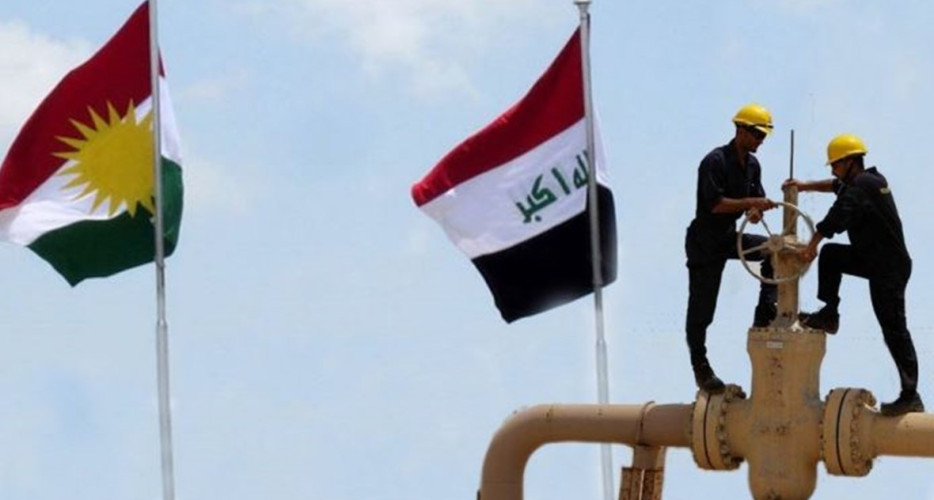
Iraq’s Oil Minister Hayan Abdul Ghani said Saturday that the main point of contention between Baghdad and the Kurdistan Regional Government (KRG) remains unresolved—specifically, the amount of oil allocated for domestic consumption in the Kurdistan Region.
Speaking to the Iraqi News Agency, Abdul Ghani stressed that despite months of negotiations, the two sides have yet to agree on this key issue, which is holding up the full implementation of the federal budget law and the resumption of oil exports through the Turkish Ceyhan pipeline.
"Almost all points have been agreed upon, except for the issue of domestic consumption and barrel liquidation," he said. While the federal and regional audit boards agreed to set local consumption at 46,000 barrels per day, the KRG is insisting on increasing the figure to 65,000 barrels—an amount the minister said violates the budget law.
The prolonged dispute is having serious consequences on the ground. Civil servants in the Kurdistan Region have not received their salaries for May and June. Baghdad has withheld funding, tying it directly to the KRG’s compliance with the budget law, including the handover of 400,000 barrels per day to Iraq’s State Oil Marketing Organization (SOMO) and an increase in non-oil revenues.
Abdul Ghani also revealed that Iraq is losing about 300,000 barrels per day from its OPEC quota because the region’s production is counted under Iraq’s total output, even though it is not reaching federal coffers or being exported.
The continued lack of salaries and political deadlock are worsening the economic situation in the Kurdistan Region, where markets are suffering, purchasing power is falling, and public frustration is growing.
As both sides remain locked in disagreement, the urgent need for a solution is growing—not just for technical compliance, but to ease the burden on ordinary citizens whose livelihoods are at stake.