Peregraf
The U.S. Consulate General in Erbil has voiced strong support for the Kurdistan Regional Government’s (KRG) ambitious 24-hour electricity program, highlighting the role of American companies in advancing energy security in Iraq and the Kurdistan Region.
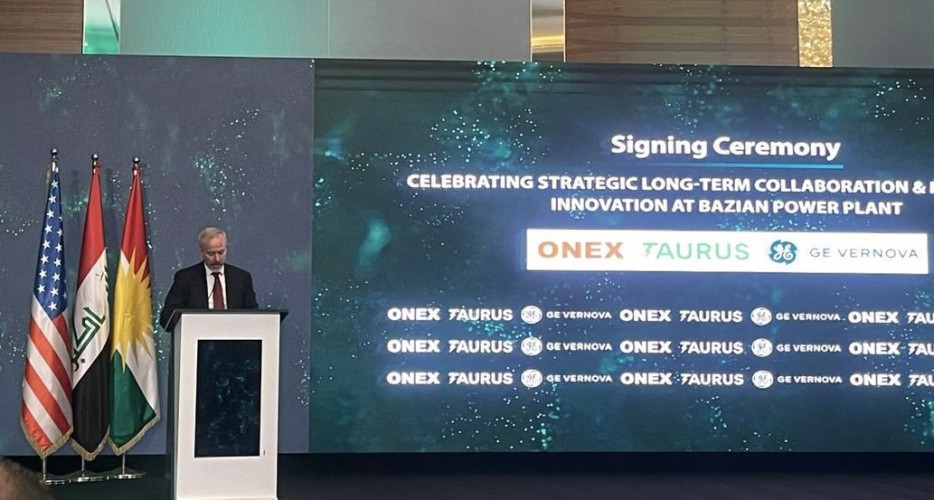
In a post on X, the consulate said: "We’re proud to see U.S. companies like General Electric Vernova supporting Iraq and the Kurdistan Region’s energy security. Expanding 24/7 electricity through the Runaki project to 2M residents is a vital step forward for the Iraqi Kurdistan Region."
Aziz Ahmad, Deputy Chief of Staff to Prime Minister Masrour Barzani, welcomed the U.S. support, calling it “an important recognition from a key partner.”
“Thank you to our U.S. partners for backing the KRG’s energy sector and 24-hour electricity programme,” he added.
The comments come a day after the KRG Ministry of Electricity announced a major milestone in the “Runaki” (Illumination) project. The initiative, launched by Prime Minister Barzani in October 2024, now provides uninterrupted electricity to over two million people—around 30% of the Kurdistan Region’s population.
According to the ministry, more than 2,100 neighborhood diesel generators have already been shut down in Erbil, Sulaimani, Duhok, and Halabja. The KRG aims to extend full 24-hour coverage to all provincial centers by the end of 2025 and to the entire region by the end of 2026. Over 7,000 private generators are expected to be decommissioned as part of the plan.
These generators, long criticized for their contribution to air pollution and links to serious health issues like cancer, have been the subject of public concern and investigative reporting. A previous Peregraf investigation found that many of the generators rely on low-grade fuel from illegal refineries, exacerbating environmental and health risks.
The Ministry of Electricity says the project is already paying off, with 80% of households reporting lower electricity costs compared to when they relied on both public supply and costly generator subscriptions.
The KRG views the Runaki Project as a cornerstone of its energy policy—aimed at reducing pollution, and modernizing the Region’s power infrastructure for a cleaner and more stable future.