Federal Court to Hear Two Key Lawsuits on Kurdistan Region Salaries and Parliament Crisis
Peregraf
The Iraqi Federal Supreme Court is set to hold two crucial hearings next week that could shape the political and financial future of the Kurdistan Region, as tensions persist between Erbil and Baghdad.
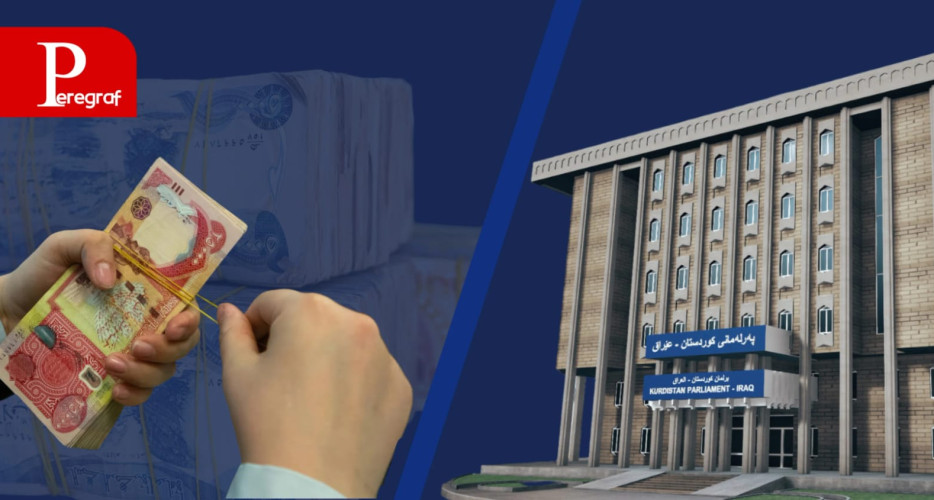
On Sunday, July 13, the court will review two separate complaints filed by opposition politicians demanding the dissolution of the Kurdistan Regional Parliament, which has been inactive for over seven months. The complainants argue that the legislature has failed in its duties by not convening, electing a speaker, or forming a new cabinet following the October 2024 elections.
The first lawsuit was filed by Omar Gulpi, a former MP from the Kurdistan Justice Group (Komal), while the second was jointly submitted by Sarwa Abdulwahid, head of the New Generation Movement (NGM) faction in the Iraqi parliament, Kurdawan Jamal, head of NGM in the Kurdistan Parliament, and Kawa Abdulqadir, a former NGM lawmaker. They cite the parliament’s failure to elect its presidency or advance legislative work as grounds for dissolution.
The Kurdistan Parliament officially entered its summer recess on July 1, 2025, despite not having held a session since December 2, 2024, the only meeting since elections were held on October 20. The ongoing deadlock between the Kurdistan Democratic Party (KDP) and the Patriotic Union of Kurdistan (PUK) over power-sharing has prevented the formation of the new cabinet. Lawmakers continue to receive full salaries and privileges despite the prolonged paralysis.
On Monday, July 14, the Federal Court will hold another session to hear a lawsuit filed by civil servants in the Kurdistan Region, demanding the Iraqi government resume the disbursement of salaries directly and isolate the issue from ongoing oil and budget disputes.
The employees have not received their salaries for May and June, as the standoff between the federal and regional governments drags on. The complainants are urging the court to force Baghdad to honor its financial obligations, arguing that public sector workers should not be caught in the middle of a political conflict.
The dual lawsuits reflect mounting frustration among the public and opposition groups over governance failures and economic uncertainty in the Kurdistan Region. The KRG’s inability to form a functioning government or ensure salary payments has heightened calls for legal intervention.
At a press conference on June 25, KRG Prime Minister Masrour Barzani acknowledged the deadlock, stating that while there is agreement on the general governance agenda, differences remain over the allocation of top government posts. The KDP, which won 39 seats in the 100-member parliament, continues to push for a broad-based government but has indicated it could form a majority cabinet if needed. The PUK holds 23 seats, with the remaining 38 divided among smaller parties and minority blocs.
As the court prepares to weigh in on these politically sensitive issues, the outcomes could have far-reaching implications for the future of governance, political accountability, and citizen welfare in the Kurdistan Region.