Federal Court Turmoil Deepens Kurdistan Salary Crisis Amid Dispute Over Khor Abdullah
Peregraf
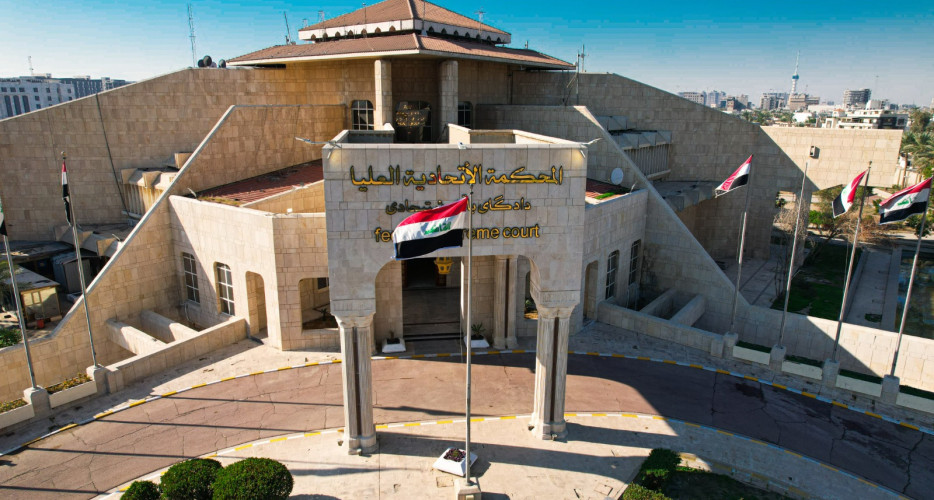
A dramatic shake-up in Iraq’s top court threatens to further derail efforts to resolve the Kurdistan Region’s public salary crisis, as six of the nine judges of the Federal Supreme Court—including one Kurdish judge—and three of its four reserve members submitted their resignations in protest against the court’s president, Judge Jassim Mohammed Aboud.
A high-ranking source in Baghdad confirmed the development to Peregraf, stating that the resignations were submitted to the Supreme Judicial Council, not to the Federal Court president himself. "There is a deepening rift between the president of the Supreme Judicial Council and the head of the Federal Court," the source said.
The judges’ collective action, which appears politically motivated, is reportedly linked to the court’s controversial move to revisit two highly sensitive cases: the long-disputed Khor Abdullah maritime agreement with Kuwait and the pending decision on releasing salaries for Kurdistan Region civil servants.
"The judges claim they resigned because the court president added both the Khor Abdullah and Kurdistan salary cases to the court’s agenda. But the context is clearly political," the source added.
Khor Abdullah Dispute Reignites Tensions
The Khor Abdullah agreement, signed in 2012 and ratified in 2013, defines maritime navigation and boundary rights between Iraq and Kuwait in a strategic waterway providing Iraq's only direct access to the Gulf. The Iraqi Federal Supreme Court annulled the pact in 2023, claiming it was improperly ratified by a simple majority vote instead of the constitutionally required two-thirds.
That decision sparked backlash from Kuwait and international partners, including the Gulf Cooperation Council and the United States, all urging Iraq to reinstate the agreement. Both Iraqi President Abdul Latif Rashid and Prime Minister Mohammed Shia’ al-Sudani appealed to the Federal Court in April 2024 to reverse the annulment, arguing that restoring the deal is vital for regional stability.
Salary Crisis Reaches Boiling Point
Meanwhile, public employees in the Kurdistan Region continue to wait for May salaries nearly three weeks into June, with only four months of payments made so far in 2025. The pending court order that could enable federal salary transfers is now in limbo following the judges’ resignations.
Despite their resignations, the judges technically retain authority to meet and issue a ruling, but the source indicated they are unlikely to participate in future sessions, leaving the fate of the salary case uncertain.
On Wednesday, KRG Prime Minister Masrour Barzani revealed that he had sent a formal letter to the Federal Court urging legal intervention. "We await a ruling in favor of the Kurdish people," he said during a cabinet meeting, describing the situation as urgent.
On June 15, President Rashid and Justice Aboud met in Baghdad, stressing the need for legal solutions to the salary deadlock. "This is a humanitarian emergency," the president said, while Aboud pledged the court’s commitment to resolving the matter within its constitutional mandate.
Budget Dispute Adds to Deadlock
The Federal Finance Ministry has cited the complete depletion of the Kurdistan Region’s 12.67% share of the 2025 federal budget as grounds for halting transfers. In a letter dated May 28, Finance Minister Taif Sami also criticized the KRG for failing to adopt the federal "Tawteen" system, which would standardize salary payments through federal banks.
A KRG finance official told Peregraf in late May that salaries may not be paid before Eid al-Adha, and payments have been recategorized as "liabilities," likely postponing them to mid-July or beyond.
As political and legal deadlock intensifies, the people of Kurdistan remain the most affected—caught in a deepening crisis over constitutional authority, resource allocation, and political will, with Iraq’s highest court now at the center of both legal and institutional turmoil.