Peregraf
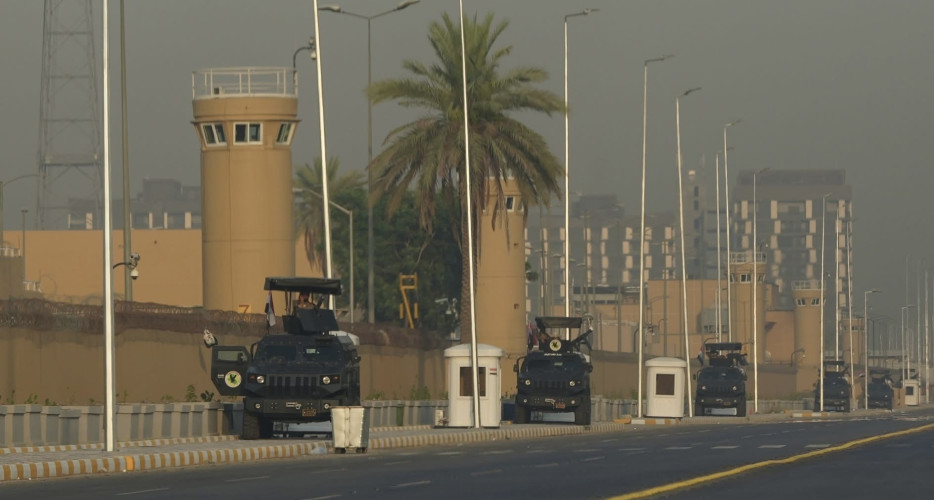
The United States has sharply escalated its security posture in Iraq, ordering the departure of non-emergency diplomatic staff and issuing a stark warning for U.S. citizens to avoid traveling to the country under any circumstances.
In an updated travel advisory released Thursday, the U.S. State Department urged Americans not to travel to Iraq “for any reason,” citing the mounting regional tensions and an increasingly volatile security environment.
“Do not travel to Iraq for any reason,” the advisory stated, following the ordered evacuation of non-essential government personnel from the U.S. Embassy in Baghdad. The decision comes amid rising threats from Iran-backed groups and increased instability in the region.
“American citizens in Iraq face high risks, including violence and kidnapping,” the statement warned. “Terrorist and insurgent groups regularly attack Iraqi security forces and civilians. Anti-U.S. militias threaten U.S. citizens and international companies.”
Due to heightened threats, U.S. personnel in Iraq are required to operate under strict security restrictions, and those stationed in Baghdad are now prohibited from using Baghdad International Airport, the advisory added.
The move follows a Wednesday decision by the U.S. to reduce its diplomatic presence in Iraq. State Department officials said the evacuation of non-essential staff was necessary to safeguard personnel amid threats of potential attacks.
The developments coincide with renewed fears over the collapse of nuclear diplomacy between the U.S. and Iran. On Thursday, President Donald Trump reiterated a hardline stance, declaring, “Iran can’t have a nuclear weapon — we’re not going to allow that.”
Speaking just hours after Washington’s evacuation order, Trump said American personnel were being moved away from what he described as a “dangerous” region. His remarks came as nuclear negotiations with Iran — mediated by Oman — remain stalled after five rounds, with both sides failing to revive the 2015 Joint Comprehensive Plan of Action (JCPOA), which Trump withdrew from in 2018.
Tensions soared after Iran issued a warning on Wednesday, threatening to target American military bases in the region if talks collapsed and Iran came under military attack.
Speculation is also growing that Israel may unilaterally strike Iran’s nuclear facilities, a scenario U.S. officials are working to prevent amid fears of a wider conflict in the Middle East.
The situation marks a dangerous turn in U.S.-Iran relations, with Iraq once again emerging as a flashpoint in the broader geopolitical contest.