Wheat Production in Iraq Drops by 2.5 Million Tons Due to Low Rainfall and Water Shortages
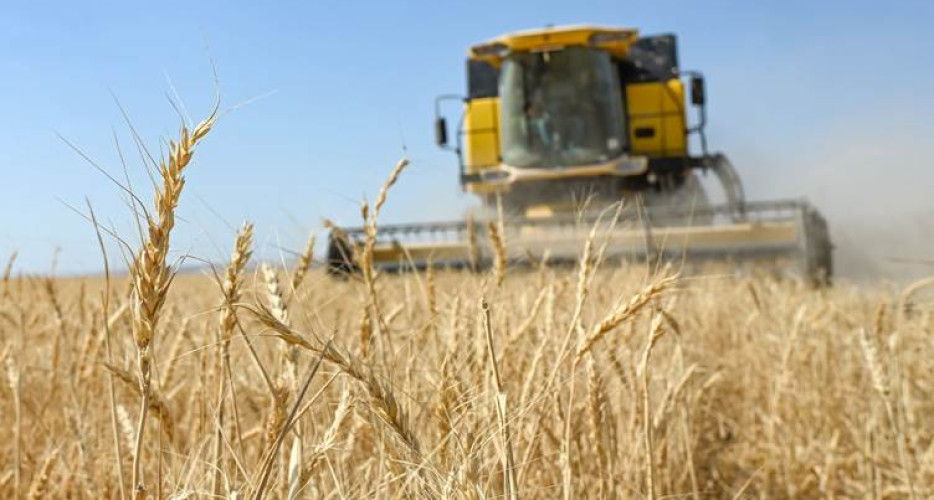
Peregraf
Dr. Haider Karrawi, Director General of the Iraqi Grain Trading Company (IGTC), announced Tuesday that wheat production in Iraq has declined by an estimated 2.5 million tons this year due to low rainfall and ongoing water shortages — including a loss of about 800,000 tons in the Kurdistan Region.
Speaking at a press conference in Piramagrun, Sulaimani province, Karrawi said that wheat collection has officially begun in the Kurdistan Region, with silos now open to receive crops from local farmers. Meanwhile, 3.6 million tons of wheat have already been received from other Iraqi provinces.
Despite the decline in production, Karrawi reaffirmed that Iraq remains self-sufficient in wheat, with total annual production still exceeding the country’s domestic needs.
He noted that several farmers, particularly in Nineveh province, were unable to plant wheat this season due to severe water scarcity. “In Nineveh alone, wheat production has dropped by about one million tons compared to last year,” Karrawi said.
The IGTC plans to receive an additional 400,000 tons of wheat in the coming weeks, including from farmers in the Kurdistan Region. Karrawi emphasized that employees are on standby at silos to facilitate the collection process smoothly.
On the issue of farmer compensation, Karrawi acknowledged financial limitations but said the government will strive to pay all farmers. “Last year, all farmers received their payments. This year, although the budget is tighter, we are doing our best to ensure payments reach everyone,” he added.
The significant drop in wheat output underscores the growing impact of climate-related challenges on Iraq’s agriculture, particularly the reliance on rainfall and dwindling water resources.