'It Is Time': Deputy Speaker Urges Kurdish Withdrawal from Baghdad Amid Salary Crisis
Peregraf
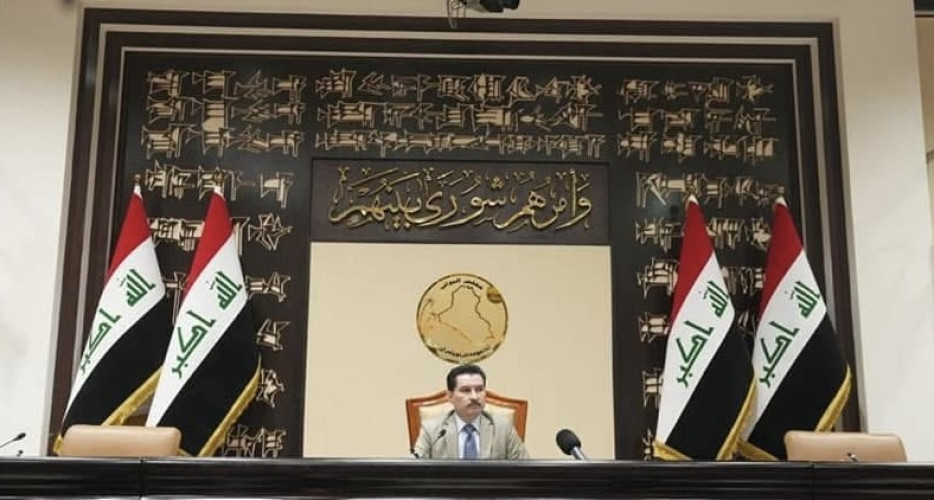
The Deputy Speaker of the Iraqi Parliament, Shakhawan Abdullah, on Wednesday delivered a stark message in response to the Iraqi federal government’s ongoing suspension of public sector salaries in the Kurdistan Region, declaring that it is time for the Kurds to pull out of Baghdad altogether.
“It is time,” said Abdullah, a senior official from the Kurdistan Democratic Party (KDP). “Whenever a decision is made to boycott or withdraw or any other decision, I will implement it within an hour.”
Speaking with growing frustration, Abdullah revealed that Kurdish leaders have repeatedly urged the Iraqi president and Kurdish ministers to take a firmer stance toward Baghdad, warning that dialogue has failed to resolve the crisis.
“We have asked several times to decide to withdraw or boycott us in Baghdad, but always allowed for dialogue and hoped that the problems will be resolved,” he added.
KDP: Salaries Must Be Released Before Eid or Face “Serious Political Response”
Following Abdullah’s remarks, the KDP issued a powerful statement of its own, giving the federal government a deadline: release the Kurdistan Region’s salaries before Eid al-Adha or face a “serious political response.”
The party accused Baghdad of turning public employees’ livelihoods into a political tool and warned that its patience had run out. “The federal government is violating the political agreement that led to the formation of this government,” the KDP said. The issue will top the agenda at the KDP Central Committee’s meeting scheduled for June 2.
Competing Claims: KRG vs. Baghdad
Tensions have reached a boiling point over conflicting interpretations of the Region’s budget entitlements. According to the Kurdistan Regional Government (KRG), Baghdad owes more than 9.11 trillion dinars for the year 2025. The KRG says it is entitled to 13.334 trillion dinars in total but has received only 4.22 trillion so far—leaving hundreds of thousands of public employees unpaid for May.
In a sharply worded response to a letter from the Iraqi Ministry of Finance, the KRG accused Baghdad of breaching the constitution by allocating funds based on actual expenditures instead of the agreed budget share.
Meanwhile, the Iraqi Finance Ministry struck a different tone, insisting that the KRG had already received more than its constitutional share and accusing the Region of failing to deliver oil and non-oil revenues to the federal treasury. The ministry also criticized the KRG for not implementing the digital Tawtin salary system and defended its suspension of payments as lawful and backed by the Federal Supreme Court’s rulings.
Political Fallout Deepens
Kurdish factions in the Iraqi Parliament united in condemnation of Baghdad’s actions, calling them a “policy of starvation.” In a joint statement, they urged Prime Minister Mohammed Shia’ al-Sudani to act immediately and warned that continued budget discrimination would lead them to reassess their role in Iraq’s political process.
As the political crisis escalates, its consequences are being felt on the ground. Civil servants across the Kurdistan Region face growing uncertainty, with no pay for May and fears that the financial freeze could last for months.
With Eid al-Adha approaching and no resolution in sight, today’s developments have marked one of the most serious escalations yet in the long-standing dispute between Erbil and Baghdad—raising questions about the future of Kurdish participation in Iraq’s federal system.