Peregraf
The Kurdistan Communities Union (KCK) is a PKK-led umbrella group coordinating Kurdish political, social, and military movements across Turkey, Iraq, Syria, and Iran, has stated that the implementation of the PKK’s decision to end armed struggle hinges entirely on the physical freedom of its imprisoned leader, Abdullah Öcalan.
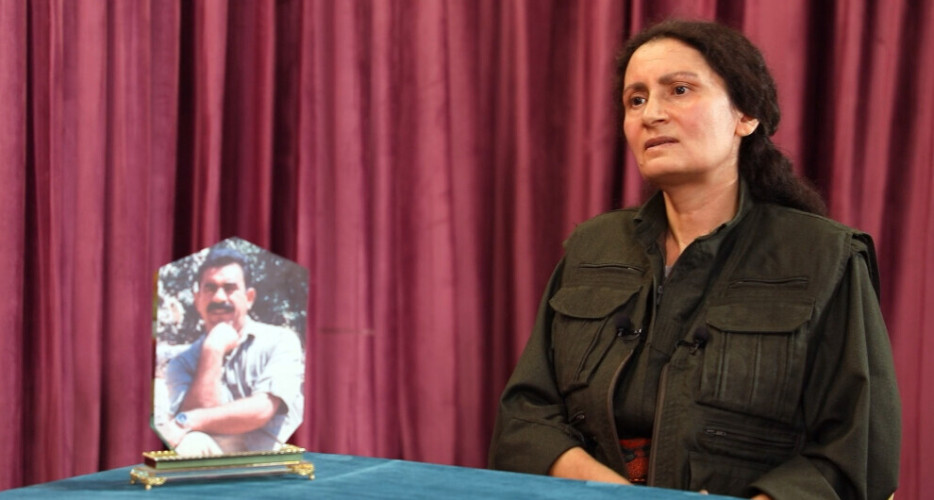
Speaking to Medya Haber TV, a PKK media outlet, following the PKK’s 12th Congress on May 12, KCK Executive Council Co-chair Besê Hozat said the congress was shaped by Öcalan’s perspectives and declared a historic resolution to dissolve the PKK and shift from armed struggle to political resistance. However, she warned that the realization of this decision is conditional.
“Only Leader Abdullah Öcalan can take the weapon from the hands of the fighters,” Hozat stated. “This is only possible by ensuring his physical freedom, by allowing him to live and work freely. Without this, the resolution cannot be executed.”
Hozat emphasized that without legal and constitutional reforms in Turkey—particularly the recognition of Kurds’ right to democratic politics—the armed conflict cannot truly end. “Without creating the conditions for Leader Apo to lead this process, it is not possible for the decision to dissolve the PKK to be implemented,” she said.
Despite the dramatic declaration, the KCK later clarified that no peace process or negotiation is currently underway. On May 17, KCK foreign relations spokesperson Zagros Hiwa told Sterk TV that the PKK’s announcement had been “misinterpreted.”
“This does not mean laying down arms or vacating our positions,” Hiwa said. “The Turkish military is operating as close as 100 meters to our forces—how can disarmament be discussed under these conditions?”
Hiwa accused Ankara of manipulating the narrative and insisted that Turkey’s continued military campaigns and refusal to recognize Kurdish political rights block any real prospects for peace.
Meanwhile, Turkish President Recep Tayyip Erdoğan confirmed that Ankara is engaged in talks with both Baghdad and Erbil on how to proceed with the PKK’s disarmament. Speaking to journalists on May 17, Erdoğan said: “There are plans regarding how the Baghdad and Erbil administrations will take part in this process. The weapons must be buried.”
The PKK’s congress cited a February 27, 2025 message from Öcalan—delivered through a delegation from the pro-Kurdish DEM Party—as the ideological basis for its decision. In the message, Öcalan reportedly urged a full transition toward peaceful and democratic engagement.
However, with Öcalan still imprisoned on İmralı Island since 1999, the KCK says no steps can be taken until he is freed and allowed to lead the process himself.
“For any meaningful peace process to begin,” Hiwa said, “Turkey must abandon its security-centric approach and recognize Kurds as equal citizens, not as terrorists.”
The situation remains tense, as both sides maintain deeply opposing interpretations of the current developments. While the PKK’s declaration appears to mark a strategic shift, continued military clashes and entrenched political divisions suggest a negotiated peace remains a distant goal.