Kurdistan Region Signs Major Energy Deals with U.S. Firms, Eyeing Billions in Investment and Energy Security
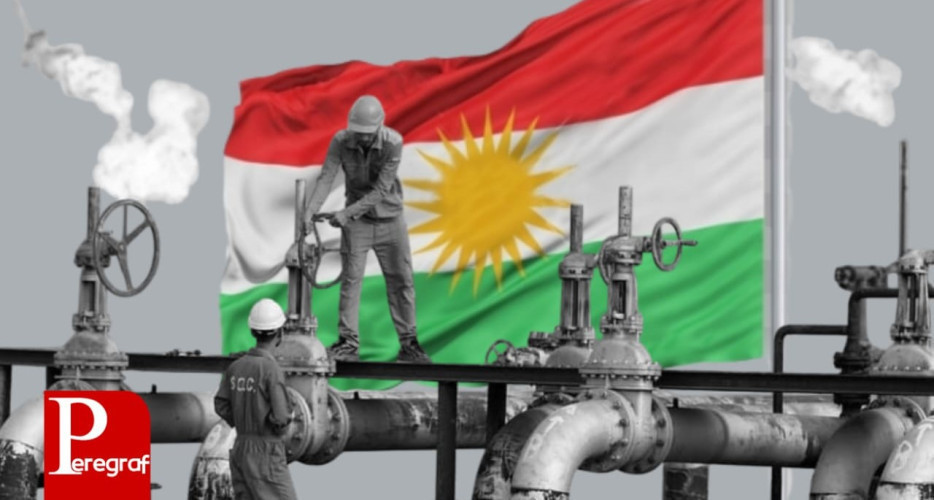
Peregraf
In a significant boost to the Kurdistan Region’s energy sector, the Kurdistan Regional Government (KRG) has finalized strategic agreements with two leading U.S. energy firms—HKN Energy and WesternZagros—to develop key oil and gas resources. The deals, signed during a high-profile ceremony at the U.S. Chamber of Commerce in Washington, D.C., mark a major step in the region’s efforts to attract foreign investment, enhance energy security, and drive long-term economic growth.
KRG Prime Minister Masrour Barzani, who attended the signing during his official visit to the United States, emphasized the transformative potential of these agreements. The partnerships, brokered through the KRG’s Ministry of Natural Resources, are expected to bring tens of billions of dollars in investment, creating jobs and reinforcing the region’s energy infrastructure.
HKN Energy, in collaboration with ONEX Group, will focus on developing a major gas field in the Kurdistan Region. According to KRG officials, the project’s first phase is projected to produce between 50 and 70 million standard cubic feet of gas per day, with potential benefits extending beyond the region to Iraq as a whole. The initiative aims to reduce dependency on imported energy while supporting domestic power generation.
Meanwhile, WesternZagros has secured rights to the Topkhana block, a resource-rich site adjacent to the Kurdamir field. Combined, these blocks hold an estimated 5 trillion standard cubic feet of natural gas and 900 million barrels of recoverable crude oil. The development, projected to generate up to $70 billion in revenue over time, is expected to play a crucial role in ensuring stable electricity supply for millions in the Kurdistan Region and potentially neighboring markets. Toufic Chahine, Chairman of WesternZagros, praised the KRG’s commitment to fostering a stable investment climate and highlighted the long-term economic and energy security benefits of the project.
The signing of these agreements comes at a contentious time. The Iraqi Federal Supreme Court previously ruled against the KRG’s independent oil and gas operations, while an International Chamber of Commerce arbitration decision in Paris led to the suspension of Kurdish oil exports via Turkey in 2023. By moving forward without Baghdad’s approval, the KRG risks further complicating negotiations to resume exports, which have been stalled for over two years, costing the Iraq billions in lost revenue.
The prolonged halt in oil exports through the Kirkuk-Ceyhan pipeline has strained the KRG’s finances, making these new deals a critical lifeline. However, the lack of coordination with Baghdad could escalate tensions, as the Iraqi federal government insists on centralized control over energy resources.
Amid the export freeze, reports of illicit oil sales from the Kurdistan Region have surfaced to Iran and Turkey, with allegations that politically connected actors are profiting from unregulated trade. While the KRG denies involvement, the accusations have raised concerns about governance and accountability. Transparency advocates are urging stronger oversight to ensure revenues benefit the public.