Peregraf
The Kurdistan Regional Government (KRG) Health Minister, Saman Barzanji, announced that no cases of Crimean-Congo Hemorrhagic Fever (CCHF) have been registered in the Kurdistan Region, despite a recent rise in infections across Iraq.
Speaking to reporters, Barzanji confirmed that there had been one suspected case in the Kurdistan region, but thorough testing showed the individual was not infected with the disease. He urged the public to remain vigilant and adhere to health guidelines, particularly concerning animal slaughtering, noting that CCHF is a "terrible communicable disease with a high mortality rate."
In response to the broader national surge in CCHF cases, the KRG Ministry of Health announced a series of preventive measures on April 25 to safeguard public health, especially ahead of the Eid al-Adha holiday, when livestock slaughtering traditionally increases.
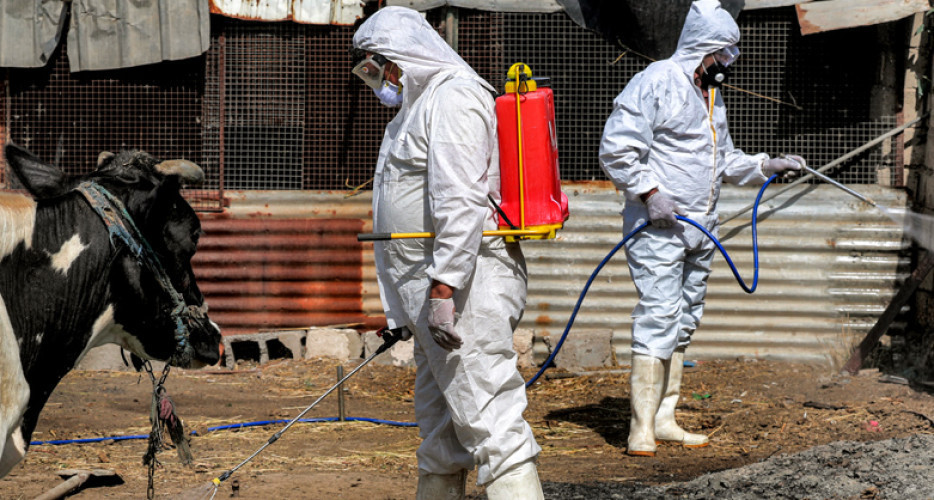
The Ministry issued strict guidelines for both citizens and public institutions, focusing on hygiene and the safe handling of livestock and meat products. These measures aim to curb the spread of the virus, which is primarily transmitted through tick bites or direct contact with infected animal blood and tissues.
Crimean-Congo Hemorrhagic Fever, a viral disease endemic in parts of Africa, the Balkans, the Middle East, and Asia, can cause symptoms ranging from high fever and muscle aches to severe internal bleeding. The disease has a fatality rate of 10% to 40%, depending on the timeliness of diagnosis and care.
While Iraq has seen a worrying increase in CCHF cases, particularly in rural, livestock-rearing areas, the Kurdistan Region's health authorities have moved swiftly to prevent a similar spike.
The Ministry of Health's directive, addressed to the Ministry of Interior and all governorates within the region, includes the following mandatory precautions:
Prohibition of home slaughtering — All slaughtering must occur in officially designated slaughterhouses.
2. Mandatory protective equipment for butchers — Gloves and protective clothing are required, with legal penalties for non-compliance.
3. Tick treatment for livestock — All animals must be treated with acaricides at least two weeks before slaughter.
4. Strict disinfection protocols — Slaughter areas and tools must be cleaned using a chlorine solution.
5. Safe meat handling practices — Citizens are advised to purchase meat only from certified vendors, avoid contact with raw meat through open wounds, cook meat thoroughly, and use separate cutting boards for meat and vegetables.
6. Tick protection measures — Individuals visiting tick-prone areas should wear long-sleeved, light-colored clothing and use insect repellents.
The Ministry emphasized the critical importance of public cooperation in implementing these measures to prevent the virus's spread.
Authorities warned that non-compliance, especially during Eid al-Adha, could lead to increased infections and fatalities.
"The health and safety of our citizens is our top priority," Barzanji stated. "We call on everyone to adhere strictly to these guidelines to protect themselves and their communities."