Peregraf
In response to an alarming rise in cases of Crimean-Congo Hemorrhagic Fever (CCHF) across Iraq, the Ministry of Health of the Kurdistan Regional Government (KRG) has announced the implementation of comprehensive preventive measures. These steps are designed to curb the spread of the highly infectious and potentially fatal disease, particularly in light of the upcoming Eid al-Adha holiday, during which livestock slaughtering traditionally increases.
The ministry has issued formal guidelines targeting both citizens and public institutions, emphasizing hygiene and proper handling of livestock and meat products. These directives are aimed at limiting human exposure to the virus, which is primarily transmitted through ticks or direct contact with the blood and tissues of infected animals.
Crimean-Congo Hemorrhagic Fever is a viral disease transmitted to humans by tick bites or contact with infected animal blood and tissues. The disease is endemic in parts of Africa, the Balkans, the Middle East, and Asia, including Iraq. Symptoms include high fever, muscle aches, dizziness, and in severe cases, bleeding from body orifices, which can lead to death. The virus has a high fatality rate, ranging between 10% and 40%, depending on access to early diagnosis and supportive care.
Iraq has witnessed a surge in CCHF cases in recent years, with rural and livestock-rearing regions being particularly affected. The Kurdistan Region has also reported several confirmed cases in the past years, prompting swift action from regional health authorities.
In a directive addressed to the Ministry of Interior and all governorates and independent administrations within the Kurdistan Region, the Ministry of Health outlined the following mandatory precautions:
1. Home slaughter of animals is strictly prohibited. All slaughtering must take place in officially designated and regulated slaughterhouses.
2. Butchers must wear appropriate personal protective equipment (PPE), including gloves and protective clothing. Non-compliance will result in legal penalties.
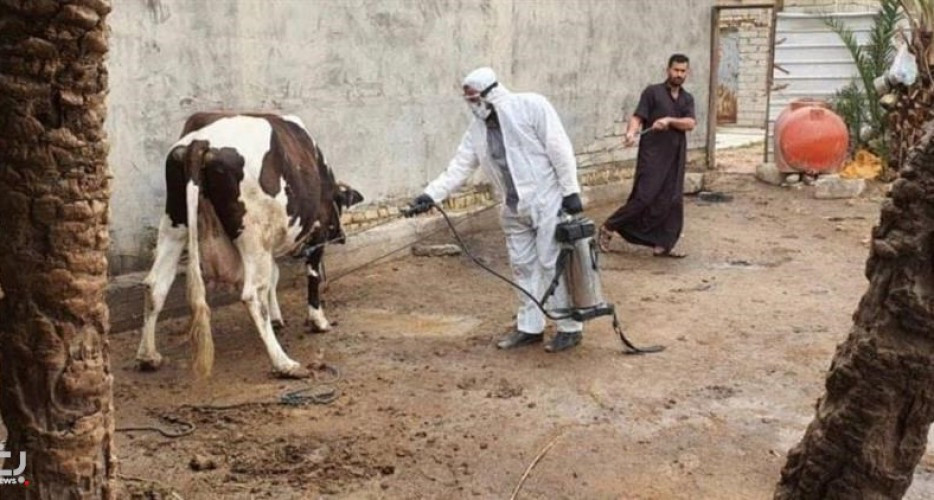
3. All livestock must be treated with acaricides (tick repellents) at least two weeks before slaughter.
4. Post-slaughter disinfection is required. Slaughter areas and tools must be cleaned with a chlorine solution prepared by mixing one part 6% chlorine solution with eleven parts water.
5. Citizens must purchase meat only from certified vendors and avoid handling raw meat with open wounds. Cooking meat thoroughly—no less than 30 minutes—is essential. Separate cutting boards must be used for meat and vegetables.
6. When entering areas where ticks are prevalent, individuals are advised to wear light-colored, long-sleeved clothing to help detect ticks, and to use insect repellents.
The Ministry has called for close cooperation from all governmental bodies and citizens, stressing that public awareness and adherence to safety protocols are vital in preventing the further spread of the virus.
Authorities also warned that failure to comply with the outlined measures, especially during high-risk periods like Eid al-Adha, could result in increased infections and fatalities.