Peregraf
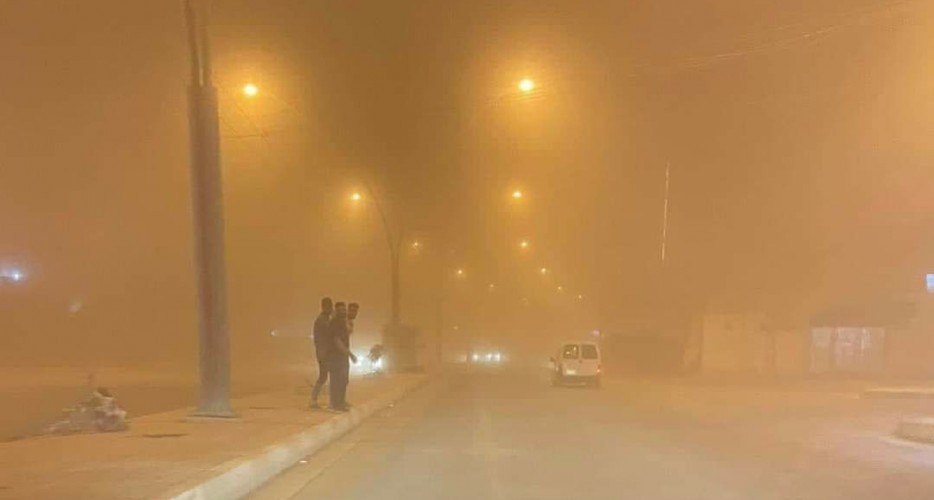
Hospitals across Iraq were overwhelmed Monday and Tuesday as thick clouds of dust blanketed cities from Baghdad to Basra, sending over 3,700 people to emergency rooms with respiratory distress.
In a statement carried by state media, Health Ministry spokesperson Saif al-Badr confirmed that 3,747 individuals had been admitted across the country due to breathing problems caused by the latest severe dust storm.
Basra province, home to Iraq’s vital oil industry, recorded the highest number of cases—over 1,000—followed closely by Muthanna and Maysan. Despite the scale of the health impact, al-Badr noted that no deaths were reported, and all patients have since been discharged after receiving treatment.
“Our hospitals are well-prepared, with enough oxygen supplies and necessary medical resources,” he added, reassuring citizens that the healthcare system remains capable of responding to such emergencies.
Authorities have urged the public to stay indoors and wear masks as a precaution against airborne dust particles, which can aggravate asthma and other chronic conditions.
While dust storms are not new to Iraq, environmental experts warn they are becoming more frequent, longer, and more intense. The Environment Ministry says the country currently experiences 272 dusty days per year, a figure expected to climb to 300 days annually by 2050.
The worsening conditions are driven by desertification, drought, and climate change, compounded by poor water policies and damming of rivers upstream. The United Nations has repeatedly flagged Iraq as one of the countries most vulnerable to climate impacts and called for urgent action to protect its fragile ecosystem.
As the storms clear, Iraqis are left grappling not just with dust-filled lungs, but with the stark reminder that the climate crisis is no longer a future threat—it’s already here.