Peregraf
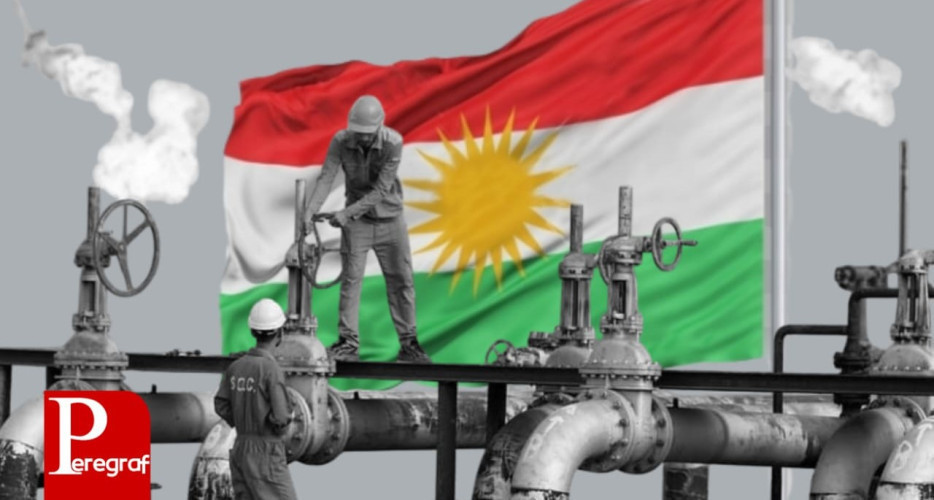
The Association of the Petroleum Industry of Kurdistan (APIKUR) has reiterated that oil exports from Kurdistan to Turkey will not resume unless the Government of Iraq (GOI) guarantees payment security for past and future transactions and honors existing contractual agreements.
In a press release, APIKUR member companies stated that, alongside the Kurdistan Regional Government (KRG), they have engaged in negotiations with the GOI, including direct discussions with Prime Minister Mohammed Shia’ Al-Sudani’s office, to restart exports through the Iraq-Turkey pipeline. However, APIKUR accused Iraq’s Ministry of Oil of resisting contractual commitments and attempting to unilaterally alter the existing economic framework between the KRG and international oil companies (IOCs).
“These actions by the Ministry of Oil are unacceptable. APIKUR member companies will not resume exports until the GOI commits to honoring our contracts, including securing payments for past and future exports,” the association stated.
March 25, 2025, marks two years since oil exports from Kurdistan and Kirkuk to Turkey were suspended. The halt followed a March 2023 ruling by the Paris Arbitration Court in favor of Iraq, which led to the closure of the Iraq-Turkey pipeline at the Ceyhan port. According to APIKUR, the suspension has cost Kurdistan over $28 billion in lost revenue.
A key meeting on March 6, 2025, in Baghdad—attended by representatives from the KRG Ministry of Natural Resources, the Iraqi Federal Oil Ministry, and international oil companies—failed to yield an agreement. Major sticking points include the settlement of outstanding debts, estimated at $1 billion, and securing future payment guarantees. Baghdad has so far refused to take responsibility for these debts, complicating negotiations further.
Despite earlier statements by Iraqi Oil Minister Hayan AbdulGhani suggesting an agreement was close, with exports potentially resuming at 185,000 barrels per day, no tangible progress has been made.
The deadlock continues to impact both Kurdistan and Iraq’s overall economy, with all sides seeking a long-term resolution that ensures contract integrity and economic stability.