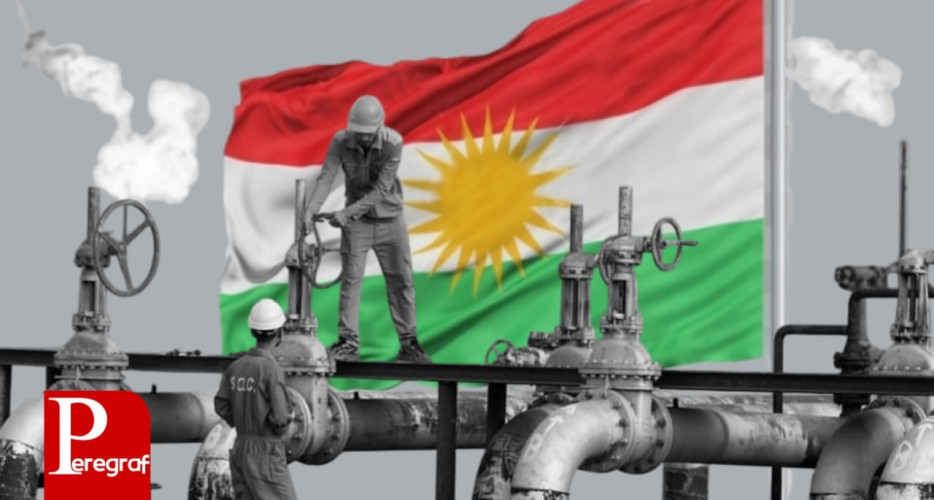
Two-Year Suspension of Kurdistan and Kirkuk Oil Exports to Turkey Continues, Losses Exceed $28B
Peregraf
Today marks the two-year anniversary of the suspension of oil exports from the Kurdistan Region and Kirkuk to Turkey. According to The Association of the Petroleum Industry of Kurdistan (APIKUR) website, the cumulative losses incurred by Iraq due to the cessation of the oil export pipeline to Turkey have exceeded $28 billion.
The broader dispute regarding oil exports began in March 2023, following a ruling by the Paris Arbitration Court that favored Iraq, resulting in the suspension of exports via Turkey’s Ceyhan port. This ruling has intensified the financial challenges faced by the Kurdistan Region, and subsequent negotiations between Erbil and Baghdad regarding revenue sharing and debt repayment have stalled. Although attempts have been made to resume exports, financial disagreements remain unresolved. Currently, stakeholders are engaged in negotiations, striving for a sustainable agreement that serves the interests of all parties involved.
On March 6, 2025, a significant meeting in Baghdad aimed at restarting oil exports through the Iraq-Turkey pipeline ended without resolution. The discussions, which included representatives from the Kurdistan Regional Government (KRG) Ministry of Natural Resources, the Iraqi Federal Oil Ministry, and international oil companies, sought to address the barriers to resuming oil exports. However, disagreements over financial responsibilities, particularly concerning outstanding debts, hindered the possibility of reaching an agreement.
A senior source from the KRG confirmed that oil companies are insisting on the settlement of debts, which currently amount to $1 billion, along with assurances for future payments. However, Baghdad has declined to accept responsibility for these debts, complicating the negotiations further.
Despite earlier comments from Iraqi Oil Minister Hayan AbdulGhani suggesting a potential breakthrough, no substantial progress has been achieved. Abdul Ghani had indicated that an agreement was close, with the possibility of oil exports resuming at a rate of 185,000 barrels per day.