KRG Welcomes U.S. Pressure on Baghdad to Resume Oil Exports as Negotiations Continue
Peregraf
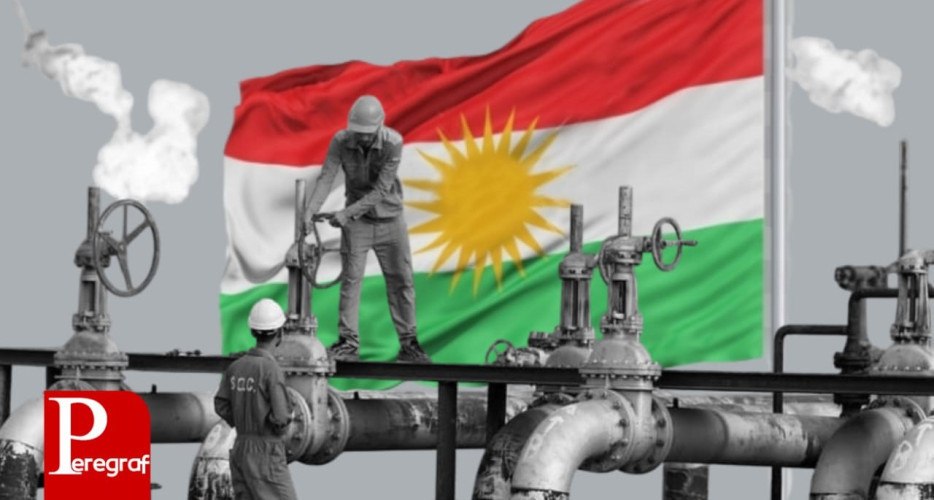
The Kurdistan Regional Government (KRG) on Thursday welcomed Washington’s renewed pressure on Baghdad to resume oil exports from the Kurdistan Region, nearly two years after they were suspended. The KRG expressed readiness to restart exports immediately, as discussions with the Iraqi government persist.
Aziz Ahmad, deputy chief of staff to Kurdistan Region Prime Minister Masrour Barzani, said on X: "We welcome the strong and clear stance from our partners in the U.S. government on resuming oil exports from the Kurdistan Region of Iraq," Ahmad wrote. "We stand ready to make that happen. The KRG Minister of Natural Resources is in Baghdad for more talks today. Oil exports from the Kurdistan Region help lift the whole country."
The U.S. government has been pushing for a resolution to the ongoing oil export dispute between Erbil and Baghdad, which has led to significant financial difficulties for the Kurdistan Region. On March 9, 2025, U.S. National Security Advisor Mike Waltz spoke directly with Iraqi Prime Minister Mohammed Shiaa al-Sudani. Waltz urged the Iraqi government to resolve ongoing contract disputes and to settle arrears owed to U.S. energy companies operating in the Kurdistan Region.
"Through our conversations, I urged the Iraqi government to work with the Kurdistan Regional Government to address remaining contract disputes and pay arrears owed to U.S. energy companies,” Waltz stated on X. “I also requested that the Iraqi government appoint an investment coordinator to facilitate U.S. companies investing and operating in Iraq.”
The Association of Petroleum Industry in Kurdistan (APIKUR) welcomed Waltz's comments, calling for the removal of obstacles to oil companies in the Kurdistan Region. APIKUR stressed that removing these barriers is crucial for Iraq's broader energy expansion and for ensuring the country's self-sufficiency.
The delayed payments to energy firms in the Kurdistan Region have been a central concern for international investors, many of whom have scaled back operations due to ongoing financial uncertainties. Industry experts emphasize that resolving these disputes is essential to maintaining investor confidence and ensuring continued development of Iraq’s energy sector.
Deadlock in Baghdad: Key Meeting Fails to Yield Agreement
In related news, a crucial meeting in Baghdad on March 6, 2025, aimed at restarting oil exports through the Iraq-Turkey pipeline, ended in deadlock. The talks, which included representatives from the KRG Ministry of Natural Resources, the Iraqi Federal Oil Ministry, and international oil companies, focused on removing obstacles to the resumption of oil exports. However, disagreements over financial obligations, particularly outstanding debts, prevented an agreement from being reached.
A senior KRG source confirmed that oil companies are demanding the settlement of debts, which currently total $1 billion, as well as guarantees for future payments. However, Baghdad has refused to accept responsibility for these debts, further complicating negotiations.
Despite earlier statements from Iraqi Oil Minister Hayan Abdul Ghani suggesting a potential breakthrough, no significant progress has been made. Abdul Ghani had indicated that an agreement was imminent, with oil exports potentially resuming at 185,000 barrels per day, increasing gradually to meet Iraq's budgeted quotas. However, the deadlock has persisted, and no agreement has been finalized.
The Road to Resolution Remains Unclear
The broader oil export dispute began in March 2023, following a ruling by the Paris Arbitration Court in favor of Iraq, which led to the suspension of Kurdish oil exports through Turkey’s Ceyhan port. This ruling exacerbated the Kurdistan Region's financial difficulties, and negotiations between Erbil and Baghdad have since stalled over the issue of revenue sharing and debt repayment.
While Iraq has agreed to pay the KRG $16 per barrel of oil until an international company can assess production costs, ongoing financial disputes continue to prevent a final resolution. The lack of a clear agreement leaves the future of Kurdistan's oil exports uncertain, prolonging economic instability in the region.