Peregraf
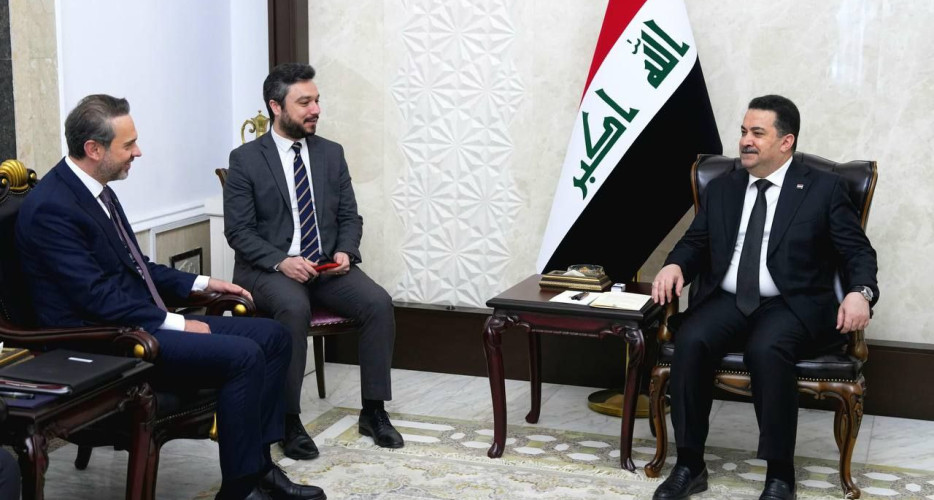
Iraqi Prime Minister Mohammed Shia’ al-Sudani met with Turkish Energy Minister Alparslan Bayraktar in Baghdad on Monday to discuss the resumption of Kurdish oil exports and the possibility of exporting Basra oil through the Iraq-Turkey pipeline, according to a statement from Sudani’s office.
During the meeting, Sudani emphasized that the Iraqi government is making “significant efforts” to restart oil exports from the Kurdistan Region of Iraq (KRI), which have been halted for nearly two years due to legal and financial disputes. He noted that negotiations with foreign oil companies contracted with the KRI are ongoing to resolve the technical issues preventing the resumption of exports.
Bayraktar’s visit, which began on Sunday, also focused on expanding Turkey’s electricity and gas supplies to Iraq. The talks come as Baghdad seeks to diversify its energy sources following the recent U.S. decision to revoke a waiver allowing Iraq to import electricity from Iran.
Bayraktar also reiterated Turkey’s interest in exporting Basra oil through its Ceyhan port, a move that Iraqi officials have been exploring as a potential alternative revenue source.
Turkish Minister Meets KRG Officials in Erbil
Following his visit to Baghdad, Bayraktar traveled to Erbil, where he was received by Kemal Mohammed, the Kurdistan Regional Government’s (KRG) Acting Natural Resources Minister. The visit comes amid ongoing negotiations involving the Iraqi federal government, the KRG, and international oil companies to resolve issues preventing Kurdish oil exports from resuming.
Bayraktar later met with KRG Prime Minister Masrour Barzani to discuss strengthening energy cooperation between Turkey and the Kurdistan Region. “We agreed to remove all obstacles to the export of oil from Kurdistan through Ceyhan as soon as possible,” Barzani stated after the meeting.
Financial Disputes Continue to Delay Exports
While discussions continue, unresolved financial disagreements remain a major hurdle. A March 6 meeting in Baghdad aimed at resolving these disputes ended without an agreement. The key issue is approximately $1 billion in unpaid dues that international oil companies claim from the Iraqi government, which has so far refused to cover the costs.
Meanwhile, U.S. National Security Advisor Mike Waltz has urged Iraq to settle outstanding payments to American energy firms operating in the Kurdistan Region, in line with broader U.S. efforts to strengthen economic ties with Iraq and reduce its reliance on Iran.
Turkey remains a crucial player in the negotiations, as its Ceyhan port has historically been the primary export route for Kurdish oil. The ongoing energy dispute dates back to March 25, 2023, when oil shipments were halted following a ruling by the Paris Arbitration Court in favor of Iraq, which challenged the legality of independent KRG oil exports through Turkey. The suspension has significantly impacted the KRG’s economy, which heavily relies on oil revenues.
While recent talks signal progress toward a resolution, long-term stability in the Kurdistan Region’s energy sector remains uncertain as financial and political challenges persist.