Peregraf
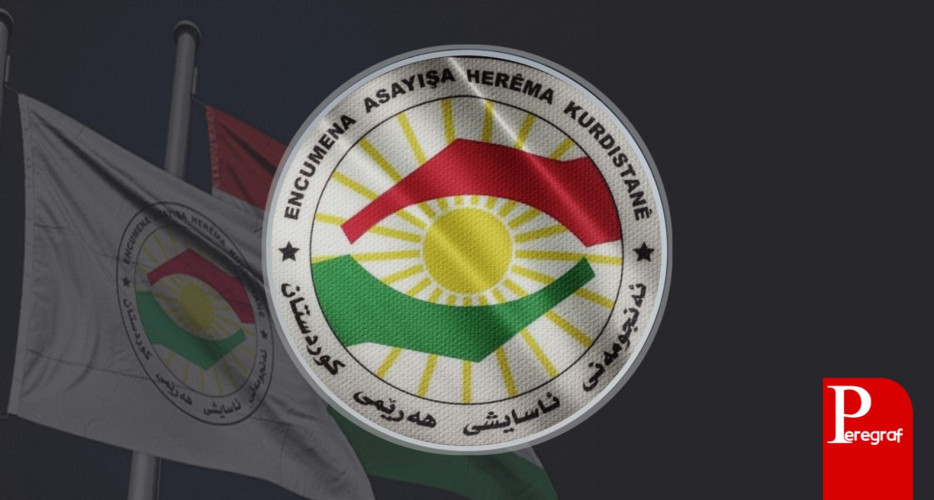
The Kurdistan Region Security Council (KRSC) has strongly criticized Iraqi Prime Minister Mohammed Shia’ al-Sudani for failing to acknowledge its role in the killing of senior Islamic State (ISIS) leader Abdullah Makki Muslih al-Rafiei.
In a statement on Friday, the KRSC emphasized that Rafiei’s death was the result of years of intelligence gathering, with crucial information provided by Kurdish security forces. “The operation was conducted after several years of investigation, relying on intelligence from the Kurdistan Region Security Council, in coordination with the coalition and later with Iraqi federal forces,” the statement read.
Earlier in the day, Sudani had announced that Iraqi intelligence, with support from the U.S.-led coalition, had eliminated Rafiei, also known as Abu Khadija. However, he did not disclose the time and location of the operation or mention Kurdish contributions.
The KRSC expressed disappointment over the omission, warning that such actions could strain future security cooperation between Erbil and Baghdad. “This oversight is not a positive sign for the future of cooperation between regional and federal institutions,” it said.
The Kurdish security body also reaffirmed its commitment to combating terrorism. “The institutions affiliated with the Kurdistan Region Security Council have played a vital role in confronting terrorist threats in this region and will continue to fulfill this responsibility. It would be in the federal government’s best interest to foster a better environment for coordination to maintain stability across Iraq,” the statement added.
Erbil and Baghdad have collaborated on several counterterrorism operations in the past. However, tensions remain over security jurisdiction, particularly in disputed territories.
Rafiei was described by Sudani as “one of the most dangerous terrorists in Iraq and the world.” In 2023, the U.S. designated him as a Specially Designated Global Terrorist due to his leadership role within ISIS.
ISIS, which seized large areas of northern and central Iraq in 2014, was territorially defeated in 2017. However, the group remains active in insurgent operations, particularly in disputed regions such as Diyala, Salahaddin, Kirkuk, and Nineveh, as well as across the border in Syria.