Peregraf
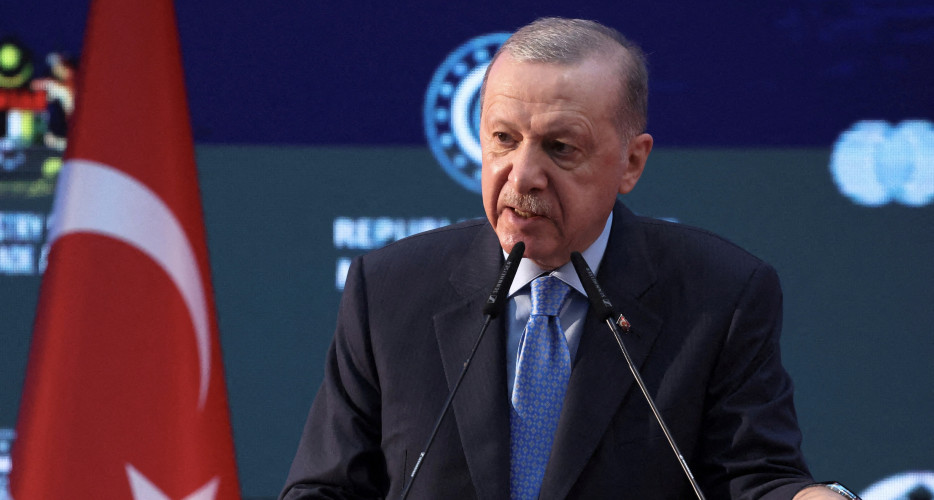
Turkish President Recep Tayyip Erdogan has stated that the full implementation of the agreement between Syrian President Ahmad al-Sharaa and SDF Commander Mazlum Abdi will contribute to the security and stability of Syria.
“We want the entire region to enjoy peace and prosperity without any religious, sectarian, or ethnic discrimination. We attach great importance to the territorial integrity of our neighboring Syria, to preserving its unity, and strengthening its national cohesion,” Erdogan said.
U.S.-Brokered Agreement
The agreement, signed on March 10, 2025, was mediated by the United States and focuses on stabilizing Syria while protecting all communities. The Syrian Democratic Forces (SDF) confirmed that the deal does not alter the existing military structure in North and East Syria.
Farhad Shami, head of the SDF’s press center, stated: "Our agreement with Damascus was brokered by the United States, which remains an active party in its implementation. There will be no changes in the forces present in North and East Syria."
He also clarified that the SDF will continue to oversee ISIS detainees, with no involvement from Syrian government forces in SDF-controlled areas.
Key Points of the Agreement
1. Political Inclusion – Syrians of all backgrounds will have the right to participate in governance based on merit.
2. Kurdish Rights – The Syrian government will fully recognize Kurdish rights and citizenship.
3. Ceasefire Implementation – An immediate nationwide ceasefire will take effect.
4. Institutional Integration – Key infrastructure, including military bases, border crossings, and energy resources, will be placed under Syrian state administration.
5. Safe Return of Displaced People – The agreement guarantees state-backed protection for displaced Syrians returning home.
6. Security Measures – The Syrian government will receive support in countering threats, including remnants of the previous regime and extremist groups.
7. Commitment to National Unity – Both parties reject division, sectarianism, and hate speech.
8. Implementation Plan – Executive committees will oversee enforcement, with full implementation expected by the end of 2025.