Peregraf
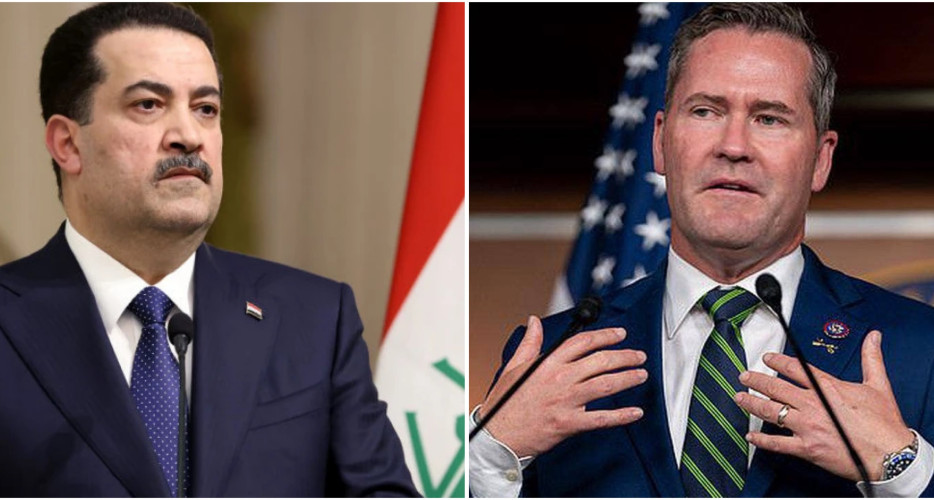
U.S. National Security Advisor Mike Waltz has urged the Iraqi government to resolve contract disputes and pay outstanding arrears owed to U.S. energy companies operating in the Kurdistan Region. The statement came during a Sunday morning discussion with Iraqi Prime Minister Mohammed Shiaa al-Sudani, where a range of economic and security matters were addressed.
According to Waltz's post on X, he emphasized the importance of strengthening U.S.-Iraq relations based on mutual security interests and economic cooperation, particularly in the energy sector.
In line with President Donald Trump’s “maximum pressure” strategy on Iran, Waltz highlighted that the decision not to renew the waiver on sanctions for Iranian electricity exports was a calculated step to increase pressure on Tehran. He warned that further actions could be taken if Iran persisted in developing nuclear weapons capabilities and supporting terrorism in the region, including within Iraq.
Waltz welcomed the Iraqi Prime Minister’s efforts to achieve energy independence for Iraq and encouraged the Iraqi government to welcome more Western and U.S. energy companies into Iraq’s oil and gas sectors. The National Security Advisor “urged the Iraqi government to work with the Kurdistan Regional Government to address remaining contract disputes and pay arrears owed to U.S. energy companies, and also requested that the Iraqi government retain an investment coordinator to work with U.S. companies seeking to invest and operate in Iraq.”
The National Security Advisor also recommended that Iraq appoint an investment coordinator to assist U.S. companies seeking to enter and expand within the Iraqi market. This, he argued, would help bolster economic ties and create a more stable and transparent business environment.
The Association of Petroleum Industry in Kurdistan (APIKUR) acknowledged Waltz’s remarks in a statement on X, formerly Twitter, emphasizing that the removal of obstacles facing oil companies in the Kurdistan Region is crucial for Iraq’s energy expansion and self-sufficiency.
Waltz concluded the discussion by reaffirming the Trump administration’s commitment to deepening energy and economic partnerships between the U.S. and Iraq for the mutual benefit of both nations.
The issue of delayed payments to energy firms operating in the Kurdistan Region remains a key concern for international investors, with some companies reducing operations due to financial uncertainty. Industry experts stress that resolving these disputes is critical for maintaining investor confidence and ensuring continued energy development in Iraq.
Deadlock in Baghdad Meeting on Restarting Kurdistan Region Oil Exports
On March 6, 2025, a crucial meeting in Baghdad aimed at restarting oil exports from the Kurdistan Region through the Iraq-Turkey pipeline ended without an agreement, despite the presence of a U.S. diplomat attempting to ease negotiations, Peregraf has learned from sources in the Kurdistan Regional Government (KRG).
The meeting brought together representatives from the KRG Ministry of Natural Resources, the Iraqi Federal Oil Ministry, and international oil companies operating in the Kurdistan Region. Discussions centered on removing obstacles to oil exports, but disagreements over financial entitlements prevented a breakthrough.
According to a senior KRG source, oil companies are demanding the settlement of their outstanding debts, which amount to $1 billion, and guarantees for future payments. However, Baghdad has refused to assume responsibility for these debts, stalling negotiations.
The deadlock persists despite earlier remarks by Iraqi Oil Minister Hayan Abdul Ghani, who had suggested that an agreement on resuming exports via Iraq’s state-owned SOMO company was imminent. Abdul Ghani had indicated that initial exports from the Kurdistan Region would begin at 185,000 barrels per day, with gradual increases to meet the quotas specified in the Iraqi budget. However, no progress has been made on implementing this plan.
The broader dispute over oil exports dates back to March 25, 2023, when shipments through Turkey’s Ceyhan port were halted following a ruling by the Paris Arbitration Court in favor of Iraq. The ruling led to a suspension of Kurdish oil exports, worsening financial difficulties for the Kurdistan Region.
The Iraqi government has since sought to regulate oil production in the Kurdistan Region under its federal budget law. Baghdad has agreed to pay the KRG $16 per barrel of oil until an international company determines production costs. However, ongoing financial disputes, including the issue of unpaid debts to oil companies, have prevented an agreement from being reached.
With no resolution in sight, the future of oil exports from the Kurdistan Region remains uncertain, prolonging economic instability in the region.