Peregraf
The Kurdistan Regional Government (KRG) announced that approximately 400 private generators have been turned off in Erbil as part of its Runaki programme, which aims to provide 24/7 electricity. According to the government, the environmental impact of shutting down these generators is equivalent to removing 60,000 vehicles from the streets.
According to a survey published by the Kurdistan Regional Statistical Board in 2023, there are 7,354 private generators in the Kurdistan Region. Of these, 90 percent are located in urban areas, while 10 percent are in rural regions. Erbil has the highest number of generators at 3,776, followed by Duhok with 1,819 and Sulaymaniyah with 1,759.
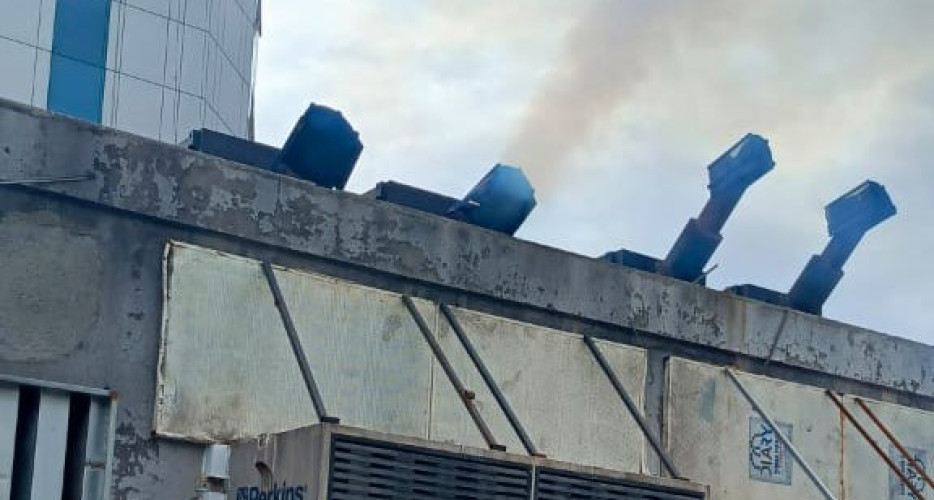
Private generators are commonly used across the Kurdistan Region, particularly during extreme weather conditions when public electricity supply is insufficient. They play a crucial role in bridging the power gap but have long been criticized for their environmental and health hazards. A previous investigation by Peregraf highlighted that private generators significantly contribute to air pollution and are linked to serious health issues, including cancer.
The Runaki Project, launched by Prime Minister Masrour Barzani in October 2024, aims to provide continuous electricity across the Kurdistan Region by the end of 2026. The initiative has already been implemented in certain neighborhoods of Erbil and Sulaimani, reducing the reliance on private generators.
While the KRG promotes the project as a major step toward energy stability, critics have raised concerns over increased electricity costs. Former Kurdistan parliamentarian Omar Gulpi has warned that electricity bills could increase six fold, arguing that the initiative might impose significant financial burdens on households.
Public electricity remains unreliable in the Kurdistan Region, with only a few hours of power available daily. Many neighborhoods rely on private generators, which often run on low-quality gasoline from illegal refineries, further exacerbating environmental and health risks.
The KRG’s efforts to phase out private generators through the Runaki Project mark a significant shift in the region’s energy strategy. However, questions remain regarding affordability and the long-term feasibility of uninterrupted power supply for all residents.