Peregraf
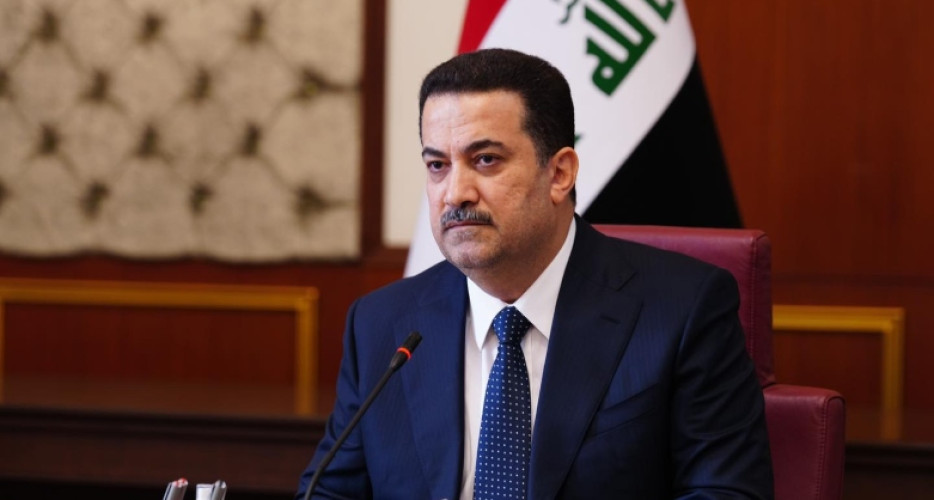
Iraq’s Prime Minister Mohammed Shia’ al-Sudani has plans to open a new chapter with oil companies operating in the Kurdistan Region, aiming to ensure financial stability and fair distribution of revenues. Speaking via video message to the Erbil Forum on Wednesday, Sudani emphasized the government’s commitment to resolving longstanding disputes over oil exports and salaries.
“With the passage of the budget amendment, we are now working to finalize the procedures for crude oil exports through the Ceyhan port,” Sudani stated. He affirmed that the new framework would guarantee the rights of the Kurdistan Region’s citizens, ensuring their salaries and financial entitlements are paid in full.
Iraq Resumes Kurdistan’s Oil Exports
The Undersecretary of the Iraqi Ministry of Oil for Extraction Affairs, Basem Mohammed Khudair, confirmed that Iraq will initially receive 185,000 barrels per day (bpd) from the Kurdistan Region as a first stage of resuming oil exports through Turkey’s Ceyhan port. This volume is expected to gradually increase to 400,000 bpd, aligning with the Federal Budget Law.
Khudair, speaking to Al-Iraqiya TV News, revealed that Kurdistan’s oil fields have suffered due to the prolonged suspension of exports, necessitating rehabilitation efforts. “Currently, available production in the region stands at 300,000 bpd, with some allocated for domestic use and 185,000 bpd designated for export,” he explained.
A recent visit by an Iraqi Oil Ministry delegation to Erbil resulted in an agreement to form joint technical committees overseeing the export process. Khudair confirmed that teams from the North Oil Company and the Kurdistan Regional Government (KRG) are actively inspecting pipelines to ensure their readiness for operation. Meanwhile, Iraq has requested official confirmation from Turkey regarding the status of the Ceyhan pipeline, expecting a response as soon as possible.
KRG Confirms Agreement with Baghdad
The KRG Ministry of Natural Resources has officially confirmed an agreement with the Federal Ministry of Oil to restart oil exports. “Following extensive coordination, we have agreed to resume oil exports according to available production levels,” the ministry stated. A joint technical team has been formed to supervise pipeline inspections and ensure a smooth transition.
However, Kurdish officials stress that any resumption of exports must be balanced with domestic oil needs. Following a February 18 meeting, the KRG Negotiating Delegation emphasized that Kurdistan must receive a fair domestic oil allocation comparable to other Iraqi regions before full control is handed over to Iraq’s state-run SOMO (State Oil Marketing Organization).
Budget Amendment Sets New Terms for Kurdistan’s Oil
In a major step toward resolving the crisis, Iraq’s parliament passed a budget amendment on February 2, 2025, which was later signed into law by the Iraqi president. The amendment establishes Kurdistan’s oil production and transportation cost at $16 per barrel, with Iraq’s Ministry of Finance covering expenses. Kurdish MP Dilan Ghafoor told Peregraf that this rate is temporary and will be reassessed by an independent audit within 60 days.
The amendment has been welcomed by the KRG and international oil companies, which see it as a step toward long-term stability. However, experts caution that financial and logistical challenges must be swiftly addressed to prevent further disruptions in exports.
As Iraq works to restore full export capacity, global energy markets are closely monitoring developments. The coming days will determine whether Baghdad and Erbil can implement a sustainable oil-sharing agreement or if new political and financial tensions will arise.