KRG Responds to Iraqi Oil Ministry: Agreement on Domestic Oil Allocation Before Export Resumption
Peregraf
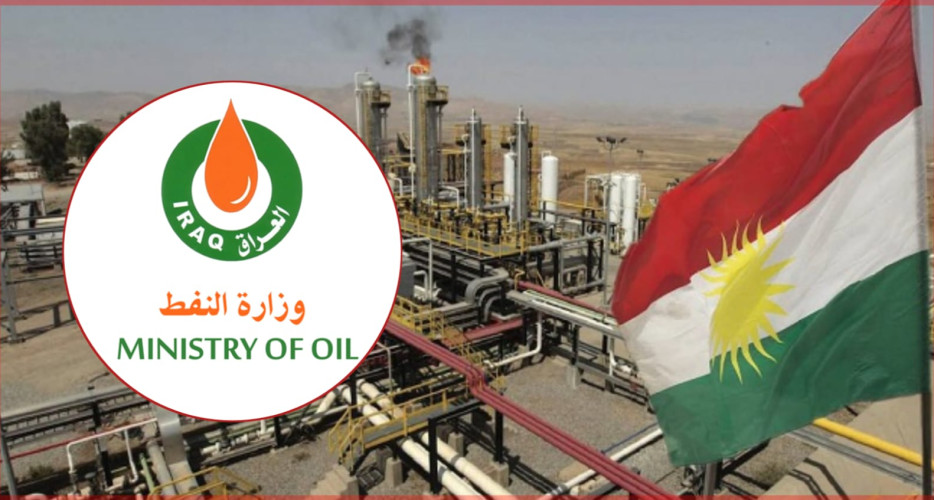
The Kurdistan Regional Government (KRG) has emphasized that an agreement regarding the allocation of oil for domestic use must be established with the Iraqi federal government prior to the resumption of oil exports from the Kurdistan region. In response to the Iraqi Ministry of Oil, the KRG’s Negotiating Delegation with the Iraqi Federal Government highlighted this necessity after a meeting held on February 18 with a federal oil delegation in Erbil.
“We note that despite confirming the KRG’s commitment to implementing the first amendment to the Federal Budget Law, which pertains to the re-export of oil produced in the Kurdistan Region through the Oil Marketing Company (SOMO), its implementation requires an agreement on the volume allocated for domestic use,” the KRG stated. The KRG’s Negotiating Delegation emphasized that this should be based on the region’s needs and obligations, similar to other parts of Iraq.
Iraqi Oil Ministry Announces Readiness for Export Resumption
The Iraqi Ministry of Oil today announced that it had completed procedures to restart oil exports from the Kurdistan Region via Turkey’s Ceyhan Port. According to the ministry, this move aligns with the Federal Budget Law and its recent amendment, as well as Iraq’s OPEC production ceiling.
The ministry urged the KRG to deliver the agreed oil volumes from operational fields to SOMO, which will oversee exports under contracts signed with nominated companies.
Barzani and Sudani Discuss Oil Export Crisis
As the standoff over oil exports continues, Kurdistan Region President Nechirvan Barzani met with Iraqi Prime Minister Mohammed Shia’ al-Sudani in Baghdad today. According to the Iraqi Prime Minister’s office, Sudani called for urgent action to restart oil production and resume exports through Ceyhan.
U.S. Pressures Iraq to Resume Exports, Citing Oil Smuggling to Iran
The United States is increasing pressure on Iraq to restart oil exports from the Kurdistan Region, citing concerns over widespread oil smuggling to Iran. According to Reuters sources, Washington is urging Baghdad to resume Kurdistan oil exports as part of its “maximum pressure” campaign against Tehran and to curb revenues obtained by due to smuggling of Kurdistan Region oil.
Since the Ceyhan pipeline closure in March 2023, an estimated 200,000 barrels per day of discounted crude have reportedly been smuggled from the Kurdistan Region to Iran and, to a lesser extent, Turkey. U.S. officials believe this network generates at least $1 billion annually for Iran and its proxies.
An Iraqi oil official familiar with the matter confirmed that Washington wants Kurdistan Region crude to reach global markets, rather than being sold at lower prices to Iran. The smuggling issue has also raised concerns about transparency in oil revenues and their return to the KRG’s treasury.
The halt in oil exports and financial disputes between Erbil and Baghdad have had severe economic consequences for the Kurdistan Region. Delays in salary payments for government employees have fueled public anger and protests. The continued diversion of oil revenues through smuggling has worsened the financial crisis, with both Kurdistan and Iraqi officials facing criticism for failing to address the issue.
New Budget Amendment and the Path to Oil Export Resumption
In a major development, Iraq’s parliament passed a budget amendment on February 2, 2025, which was later signed into law by the Iraqi president. The amendment sets the cost of production and transportation for Kurdistan’s oil at $16 per barrel, with Iraq’s Ministry of Finance covering the expense. However, Kurdish MP Dilan Ghafoor told Peregraf that this rate is temporary, as an independent company will assess the actual costs within 60 days.
Both the KRG and international oil companies operating in the region have welcomed the amendment as a key step toward resuming exports. However, observers stress that financial and logistical obstacles must be addressed quickly, as both Erbil and Baghdad depend heavily on oil revenues for public services and salary payments.
As one of OPEC’s largest oil producers, Iraq’s return to full export capacity is being closely watched by international markets, particularly amid ongoing fluctuations in global oil prices.