Peregraf
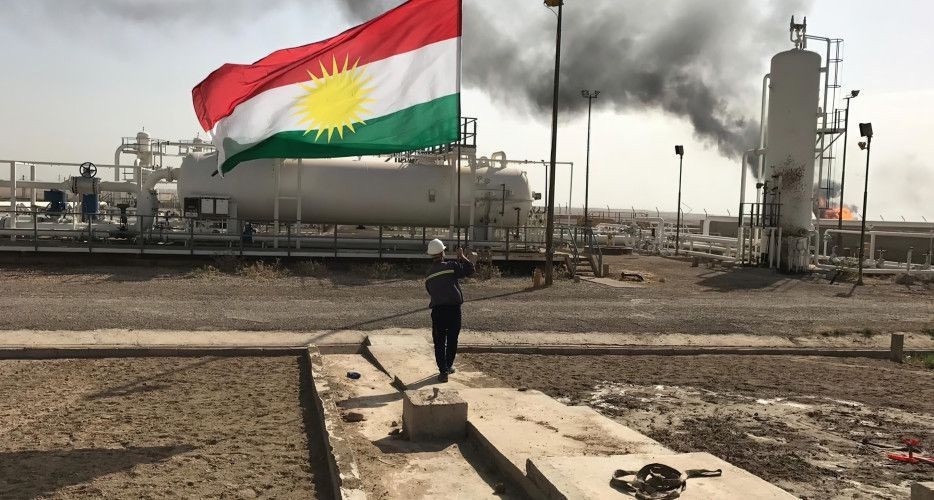
The Iraqi Ministry of Oil has confirmed that procedures have been completed to resume the export of oil produced in the Kurdistan Region through the Ceyhan Port. This move aligns with the mechanisms outlined in the Budget Law and its amendment, as well as within the production ceiling specified for Iraq by OPEC.
In a press release issued today, the Ministry of Oil called on the Kurdistan Regional Government (KRG) to deliver the quantities produced from the operating fields to the Oil Marketing Company (SOMO) to begin exporting via the Iraqi-Turkish pipeline and the Ceyhan Port. The exports will be in accordance with contracts signed with the nominated companies.
Meanwhile, Kurdistan Region President Nechirvan Barzani and Iraqi prime minister Mohammed Shia Sudani met in Baghdad today to discuss the export of oil from the Kurdistan Region. According to the Sudanese office, the Iraqi Prime Minister stressed the need to expedite the resumption of oil production by companies in the Kurdistan Region and the re-export of oil through the Turkish Ceyhan Port.
The United States is exerting pressure on Iraq to recommence oil exports from the Kurdistan Region, citing concerns over the smuggling of oil to Iran. In light of the Trump administration's "maximum pressure" campaign against Tehran, the United States has been urging Iraq to resume Kurdish oil exports or face potential sanctions, according to eight sources familiar with the matter recently talked to Reuters. This move aims to offset a potential fall in Iranian oil exports as Washington seeks to reduce Iran's oil export revenues to zero.
The closure of the pipeline carrying Kurdish crude to the Turkish port of Ceyhan since 2023 has led to a rise in smuggling of oil to Iran by truck under supervision of the Kurdistan Region authorities. Sources indicate that approximately 200,000 barrels per day of cut-price crude are being smuggled from Kurdistan Region to Iran and, to a lesser extent, Turkey. The U.S. is pressuring Baghdad to curb this smuggling and ensure Kurdistan Region crude is exported to global markets through Turkey.
An Iraqi oil official, aware of the crude trucking shipments to Iran, noted that Washington wants Kurdistan Region crude to be exported globally rather than sold cheaply to Iran. This smuggling network is believed to generate at least $1 billion a year for Iran and its proxies. Furthermore, in recent years, the issue of oil smuggling has raised concerns about the proper allocation of oil revenues and their return to the public treasury of the KRG. Since 2023, smuggling of oil from the Kurdistan Region to Iran by truck has become a prevalent issue. This illegal trade not only undermines the Kurdistan region's legal oil exports but also diverts substantial revenue away from the KRG's public treasury. The smuggling operations generate significant revenue for those involved, including the ruling officials from Kurdistan Region and Iraq. As a result, the funds that should be contributing to the region's public treasury and supporting vital public services are instead being funneled into illicit channels. The impact of this diversion of oil revenue is profound. The Kurdistan Region has been grappling with a prolonged salary crisis, where civil servants frequently experience delays in their salary disbursements due to financial disputes between Erbil and Baghdad. The unresolved payment of salaries for government employees has led to widespread public discontent and protests.
Oil exports from the Kurdistan Region were suspended in March 2023 after Turkey halted the flow of crude through the Ceyhan pipeline following an international arbitration ruling in Iraq’s favor. However, recent developments have paved the way for renewed exports, as the Iraqi parliament passed a budget amendment on February 2, 2025. The amendment was signed into law by the Iraqi president, signaling a positive shift for the oil industry.
The amendment, proposed by the Iraqi government, sets the cost of production and transportation of Kurdistan’s oil at $16 per barrel, with the Iraqi Ministry of Finance covering the cost. Kurdish MP Dilan Ghafoor told Peregraf that this rate is temporary, as an independent company will conduct an assessment within 60 days to determine the actual costs.
Both the KRG and oil companies operating in the region have welcomed the amendment, seeing it as a crucial step toward resuming exports. Observers emphasize the need for swift resolution of financial and logistical challenges, given the heavy reliance of both Baghdad and Erbil on oil revenues. The halt in oil sales has severely impacted the Kurdistan Region, causing financial strain and delays in salary payments and public services.
The international market is closely monitoring these developments, as Iraq, one of OPEC’s largest oil producers, seeks to restore full export capacity amid fluctuating global oil prices.