KRG Calls for Referendum in Kirkuk and Disputed Areas, Citing Constitutional Obligations
Peregraf
The Kurdistan Regional Government (KRG) has renewed its call for the federal government of Iraq to fulfill its constitutional obligation to hold a long-overdue referendum in Kirkuk and other disputed territories, as mandated by Article 140 of the 2005 Iraqi Constitution. The KRG also strongly criticized Baghdad’s unilateral actions concerning oil and gas resources in these areas, accusing it of violating constitutional provisions and disregarding the rights of the Kurdish people.
The KRG pointed to the federal government’s continued failure to implement Article 140, which requires the resolution of the administrative status of Kirkuk and other conflict areas through a three-stage process: normalization, a population census, and a referendum. Despite the constitutional deadline of December 31, 2007, none of these stages have been completed, a delay the KRG says has fueled ongoing tensions.
“The federal government is now preparing to unilaterally take control of oil and gas resources in these areas, disregarding the constitutional and legitimate demands of the people of Kurdistan,” the KRG said in its statement.
KRG’s Stance on Oil and Gas Management
The KRG emphasized its constitutional rights over the management of oil and gas resources, citing Articles 110, 112, and 115 of the Iraqi Constitution:
• Article 110does not include energy management among the federal government’s exclusive powers.
• Article 115gives priority to regional laws in areas not explicitly under federal jurisdiction, granting the KRG authority over newly discovered oil and gas fields.
• Article 112requires old oil fields, such as those in Kirkuk, to be jointly managed by the federal and regional governments, with revenues distributed equitably.
The KRG accused Baghdad of breaching Article 112 by signing oil and gas contracts unilaterally and failing to coordinate with the Kurdistan Region.
“The Kurdistan Regional Government considers it its constitutional right to defend its constitutional rights by all available means and works to implement laws to protect the constitutional rights of the people of Kurdistan and Kirkuk,” the statement concluded.
Historical Context of Article 140
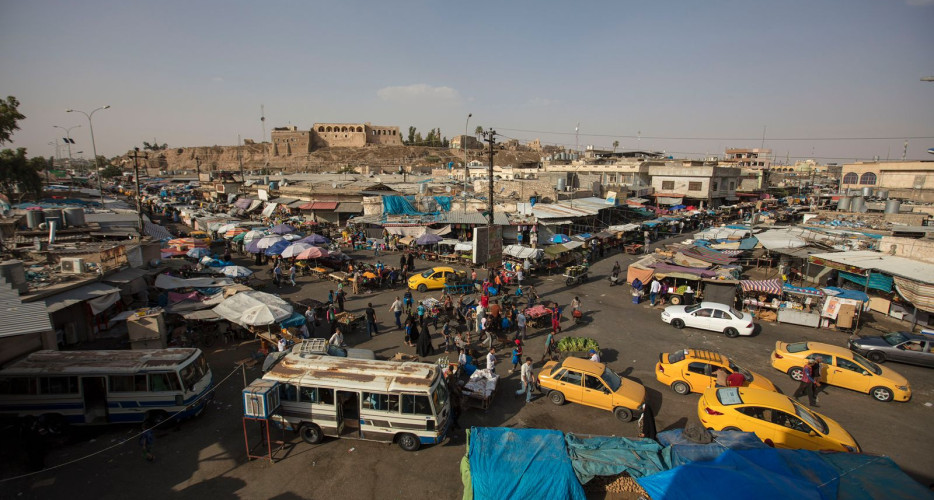
The oil-rich city of Kirkuk, located 238 kilometers north of Baghdad, is a key focal point of the disputes between Erbil and Baghdad. Home to a mix of ethnic groups, including Sunni and Shiite Arabs, Turkmen, and Kurds, the province has long been contested.
According to the 2005 Iraqi Constitution, Article 140 outlines a three-stage process to resolve the status of disputed territories:
1. Normalization:Reversing demographic and administrative changes imposed during the Ba’ath regime (1968–2003).
2. Census:Conducting a population count in disputed areas.
3. Referendum:Allowing local populations to determine their administrative alignment.
This article is rooted in Article 58 of the 2004 Transitional Administrative Law and was reinforced by Iraq’s Federal Supreme Court in 2019, which ruled that Article 140 remains active until all its provisions are implemented.
The renewed KRG demand comes amid ongoing disputes between Erbil and Baghdad over resource management and budget allocations. The Kurdistan Region’s unresolved salary crisis, including the non-distribution of December salaries, has further strained relations, with both sides blaming each other.