Peregraf
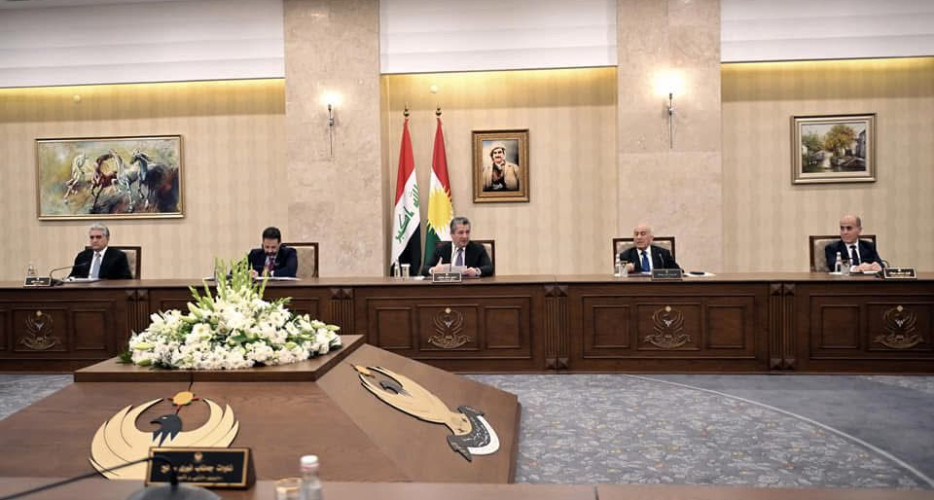
The Deputy Chief of Staff to Kurdistan Region Prime Minister Masrour Barzani, Aziz Ahmad announced that “all Kurdistani blocs in Baghdad have been invited to Erbil for talks due to ongoing delays and disputes over federal payments to the Kurdistan Region.” The talks, set to take place tomorrow, will include all Kurdish ministers from the federal government in an effort to present a “strong, unified signal” to Baghdad.
This urgent meeting comes amid a growing financial crisis in the Kurdistan Region, where December salaries remain unpaid due to insufficient funds from the federal government. The uncertainty over salaries has fueled widespread concerns among public sector employees and deepened frustration with Baghdad’s budgetary allocations.
Budget Deficit Deepens Crisis
On January 2, the Kurdistan Regional Government (KRG) Ministry of Finance released a detailed statement outlining the financial challenges contributing to the salary delays. According to the Ministry:
• The KRG’s 2024 budget was set at 11.57 trillion dinars, but actual salary requirements exceeded 12 trillion dinars, leaving a significant gap.
• The federal government disbursed only 10.75 trillion dinars to the KRG in 2024, falling short by 823 billion dinars.
• For the last quarter of 2024, Baghdad allocated 1.83 trillion dinars for salaries, which left the region facing a 1.16 trillion dinar shortfall.
Kurdish opposition figuers and members of Parliament assert that the Kurdistan Regional Government (KRG) ought to have disbursed salaries to its employees for the entire twelve-month period, as the Iraqi government has reportedly allocated around 11 trillion dinars for this purpose, according to the ministry's own reports. They argue that the complete allocation of Iraqi funds has not been realized, with only eleven months' salaries being disbursed, despite the potential to distribute salaries for the full twelve months using the domestic revenue that remains unreturned to Iraq.
Additionally, the Kurdish opposition parties criticize the KRG Ministry of Finance for its failure to tackle the issue of oil revenues. They highlight that the Kurdistan Region produces over 350,000 barrels of oil daily, which are sold via tankers, yet not a single dinar from these oil revenues has been designated for salaries or development initiatives.
The meeting’s outcome could significantly impact the strained financial and political relationship between Erbil and Baghdad. Observers see it as a critical opportunity for the Kurdish leadership to demand a resolution to ensure consistent federal payments, especially as the region grapples with escalating public discontent over salary delays.
Prime Minister Masrour Barzani’s government has faced increasing pressure to deliver solutions, and tomorrow’s discussions will test whether Kurdish unity can drive meaningful results.