Peregraf
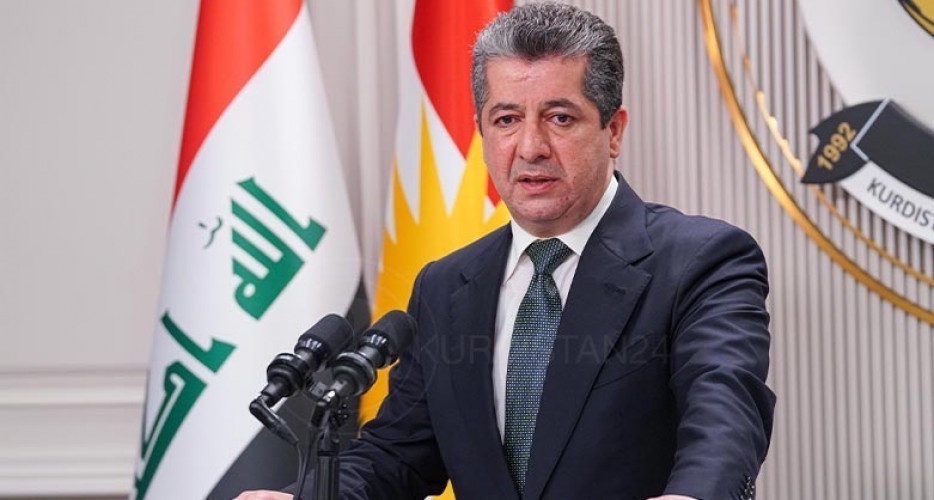
The Prime Minister of the Kurdistan Regional Government (KRG), Masrour Barzani, revealed that the suspension of oil exports from the region has resulted in financial losses exceeding $19 billion. He stressed that the federal government has not shown any willingness to compensate the region for these significant losses.
In a recent interview with Al Arabiya, Barzani emphasized that the Kurdistan Region has been more financially committed to Baghdad than any other part of Iraq, yet has not received its fair share of the national budget. He urged that the Iraqi constitution, which was drafted with Kurdish participation, should guide the resolution of disputes between the federal government and the region. The Prime Minister pointed to unresolved issues, including oil, gas, and the national budget, which he believes can only be settled through permanent agreements.
Regarding allegations of oil smuggling against the Kurdistan Region, Barzani called on accusers to present tangible evidence. He reiterated that the halt in oil exports, which began on March 25, 2023, following an International Court of Arbitration ruling in favor of Iraq in its lawsuit against Turkey, had devastating financial repercussions for the region.
According to a high-ranking US State Department official, Kurdistan oil is being illegally taken out through a covert means, causing harm to budget of both Erbil and Baghdad governments.
Geoffrey Pyatt, the Assistant Secretary for Energy Resources at the US State Department, recently highlighted concerns about oil smuggling from the Kurdistan Region during an interview with Rudaw TV. He emphasized that "the current situation, where oil is being smuggled out, primarily benefits smugglers and Iranians, rather than Erbil or Baghdad". Pyatt claimed that "All of that oil is being directed somewhere. The majority of it is being smuggled. It moves by truck, which puts a significant toll on the roads in Kurdistan. It exits through the rear exit in a manner that does not help the budget of Erbil or Iraq".
Pyatt stressed the importance of reopening the Iraq-Turkey oil pipeline, noting that "crude oil production in the Kurdistan Region has nearly returned to pre-pipeline closure levels. He urged both Baghdad and Erbil to "negotiate and find a solution that benefits both the federal Iraq and the Kurdistan Region".
The Prime Minister also praised the improving relationship between the KRG and the Iraqi federal government, particularly under the leadership of Prime Minister Mohammed Shia al-Sudani. However, Barzani noted that critical challenges remain, including disputes over Kurdish identity, oil revenues, and salaries.
On regional diplomacy, Barzani affirmed that the KRG seeks to strengthen ties with both neighboring countries and international partners, while dismissing rumors of Israeli bases in the region. He also expressed optimism that the recent visit of the Iranian president to Iraq could help improve relations between Erbil and Tehran.
Turning to security concerns, Barzani warned that terrorism, including the persistent threat of ISIS, remains a challenge, exacerbated by the presence of armed factions beyond government control. He urged the Iraqi government to take steps to bring these groups under control, stressing that corruption, poverty, and injustice pose significant risks to the country's stability.
This statement from the Kurdistan Region's leader underscores the enduring challenges in federal-regional relations in Iraq, while calling for both constitutional adherence and mutual cooperation in resolving ongoing disputes.