Baghdad–Erbil Talks Set for Sunday to Seal ASYCUDA Customs Deal, KRG Official Tells Peregraf
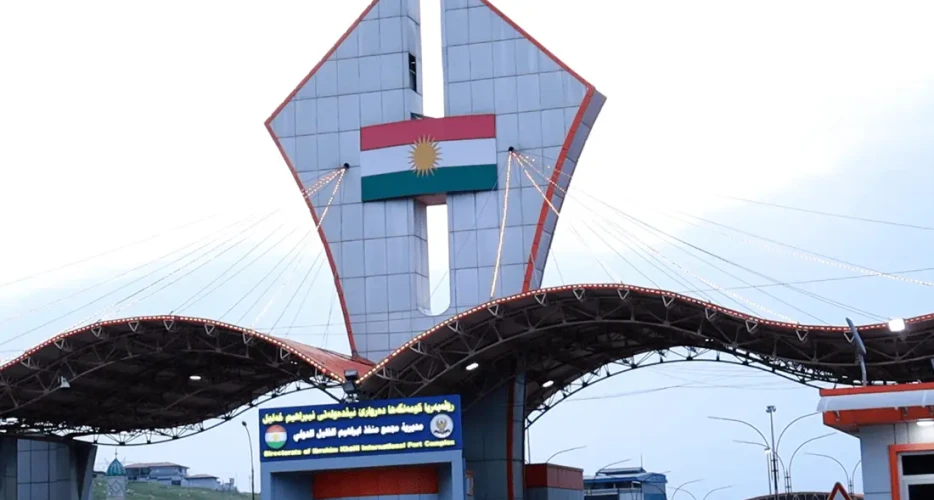
Peregraf — Delegations from the federal government of Iraq and the Kurdistan Regional Government (KRG) are scheduled to meet in Erbil on Sunday, April 12. Officials are characterizing the upcoming talks as a "decisive" round intended to finalize the digitalization of customs procedures and the nationwide rollout of the ASYCUDA system.
A KRG official told Peregraf that both sides aim to reach a final agreement during the meeting, with a focus on integrating the Kurdistan Region’s customs processes into a unified federal electronic framework. The outcome of these discussions is expected to be submitted to the Iraqi Ministerial Council for the Economy—currently chaired by Fuad Hussein, Deputy Prime Minister and Minister of Foreign Affairs—later this week for formal approval.
The initiative follows directives issued by the council during its 13th session on April 6, 2026, as part of a broader effort to standardize customs systems across Iraq and manage revenue collection.
The planned agreement centers on the implementation of the Automated System for Customs Data (ASYCUDA), a platform developed by UNCTAD. The system is currently operational at 22 federal border crossings and is described by authorities as a tool to "streamline" customs clearance and "enhance transparency."
Sunday’s meeting follows technical discussions held on April 9, chaired by Finance Minister Taif Sami. That session brought together senior officials, including the Director General of the General Customs Authority, Thamer Qassim, and representatives from the Kurdistan Region’s customs administration. During the talks, Sami emphasized the necessity of aligning the ASYCUDA framework with federal legal structures while "taking into account" the specific legal regulations of the Kurdistan Region.
According to technical preparations, officials have agreed to establish a dedicated ASYCUDA team in the Kurdistan Region to operate within a unified national system. To prevent "administrative overlap," teams are currently defining specific institutional roles for both federal and regional authorities.
As part of the rollout, the system will include a Kurdish-language interface alongside Arabic and English. A national training program is also planned to equip personnel in the Kurdistan Region with the technical skills required to operate the system. While authorities present the rollout as a key step toward modernizing infrastructure, the meeting on Sunday will determine if the technical details satisfy the requirements of both Baghdad and Erbil.