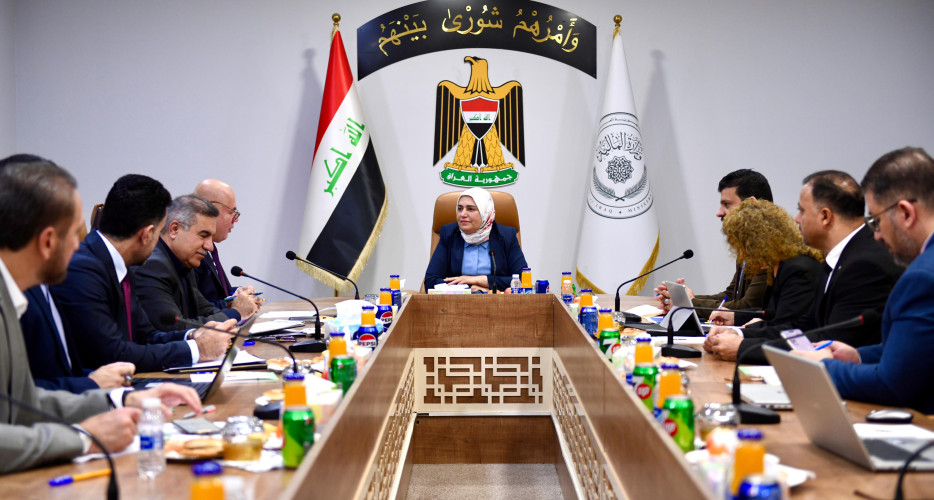
Peregraf — Iraq's Minister of Finance Taif Sami chaired a high-level technical meeting on Thursday to advance the implementation of the ASYCUDA system in the Kurdistan Region, with the stated aim of unifying customs procedures across the country.
The meeting follows directives issued by the Ministerial Council for Economy during its April 6, 2026, session and reflects ongoing coordination between Baghdad and Erbil over customs modernization and revenue management.
Senior officials from both federal and regional institutions attended, including representatives from the Federal Board of Supreme Audit — wait — from the General Authority of Customs and the Kurdistan Region's customs administration. Experts from UNCTAD also participated, providing technical guidance on the system.
During the session, Sami said full compliance with existing laws within the ASYCUDA framework was necessary and called for identifying and resolving legal discrepancies between federal and regional regulations. She said harmonization was needed to secure formal approvals and ensure nationwide implementation.
Participants agreed to establish a dedicated ASYCUDA team in the Kurdistan Region to operate within a unified national structure, with the stated goal of standardizing procedures across border crossings.
The meeting also addressed completing technical requirements in coordination with relevant companies in the Region. Officials said clearly defining roles and responsibilities between federal and regional authorities was necessary to avoid administrative overlap.
Sami directed that the ASYCUDA system include a Kurdish-language interface alongside Arabic and English. The trilingual format would also apply to official forms.
A training program is also planned, with the national team tasked with training customs staff in the Kurdistan Region to build technical capacity.
The ASYCUDA rollout is presented by officials as a step toward modernizing Iraq's customs infrastructure, reducing border delays, and improving transparency in trade procedures.