Peregraf — A wave of drone and missile attacks targeting Iranian Kurdish opposition groups inside Iraq's Kurdistan Region has intensified over the past two weeks, with more than 50 strikes carried out against bases and residential areas linked to the parties, according to the Democratic Party of Iranian Kurdistan (PDKI).
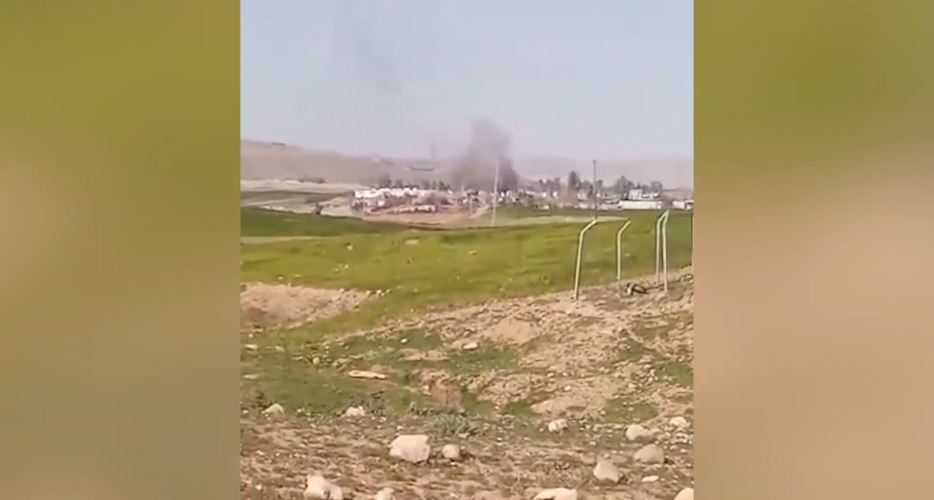
In its latest statement, the party said Iranian forces struck a civilian residential area in the town of Koya on Sunday, targeting facilities belonging to the party.
"Iran carried out yet another attack against a civilian residential area in Koya belonging to the PDKI today," the party said, adding that Iranian Kurdish opposition groups belonging to the Coalition of Political Forces of Iranian Kurdistan have been attacked more than 50 times with drones and ballistic missiles over the past two weeks.
The strikes come as the ongoing war on Iran — now in its 17th day — increasingly reverberates across northern Iraq, turning parts of the Kurdistan Region into a secondary front in the widening conflict.
Hundreds of Drones and Missiles
According to follow-up reporting by Peregraf, more than 300 drones and missiles have struck various locations across the Kurdistan Region since the opening days of the war.
Many of the attacks have been attributed either to Iran directly or to armed factions affiliated with the Islamic Resistance in Iraq, a network of Iran-aligned armed groups operating inside Iraq.
The strikes have repeatedly targeted areas where Iranian Kurdish opposition movements maintain bases, including locations in Erbil and Sulaymaniyah provinces.
Seven Killed in Two Weeks
At least seven people — including fighters from Iranian Kurdish opposition parties, regional security personnel, and a foreign soldier — have been killed in the attacks.
Among them were two peshmerga fighters from the Organization of Iranian Kurdistan Struggle (Khabat). Iqbal Salihi, from Saqqez, and Fakhredin Moradi, from Sanandaj, were killed on March 13 when a drone struck Khabat positions in the Bashik highlands in Erbil Province.
A day earlier, Chief Warrant Officer Arnaud Frion, 42, of the 7th Battalion of Chasseurs Alpins — a French soldier deployed to Iraq as part of an international counterterrorism coalition — was killed when a drone struck a joint Peshmerga–French base in the Makhmour area.
In Sulaymaniyah Province, Omid Weisi — known by his field name Omid Rwanser — a peshmerga fighter from the Komala Party of Iranian Kurdistan, was killed on March 11 when drones and missiles targeted the village of Zirgwezala.
Another strike on the same village on March 7 killed Ismail Rahimi, known as Hawri Ziyadri, a member of the Komala of the Toilers of Kurdistan.
On the same day, Wlat Tahir, a member of the Asayish — the Kurdistan Region's security service — was killed after drone attacks struck the city of Erbil.
Earlier in the conflict, on March 4, Jalal Rashidi, a peshmerga fighter from the Kurdistan Freedom Party (PAK), was killed in a missile strike on party bases near Degala, southeast of Erbil.
Dozens Wounded
More than 25 others have been wounded in the attacks, including fighters from Iranian Kurdish opposition parties, Kurdistan Regional Government security personnel, and civilians living near targeted areas.
French troops deployed in the Kurdistan Region were also among those injured, according to security sources.
Growing Concerns Over Regional Escalation
The intensifying attacks come as the war on Iran enters its 17th day, raising concerns that northern Iraq could become increasingly drawn into the broader conflict.
Iran has long accused Iranian Kurdish opposition groups based in the Kurdistan Region of supporting unrest inside Iran, allegations the parties deny. In recent weeks, however, the scale and frequency of attacks against their positions have sharply increased.
Regional security officials warn that the continuing strikes risk destabilizing the Kurdistan Region and widening the geographic scope of the war, as cross-border hostilities spill further into Iraqi territory.