Iran’s President Warns Kurdish Opposition, Vows Decisive Action Against 'Separatist Movements'
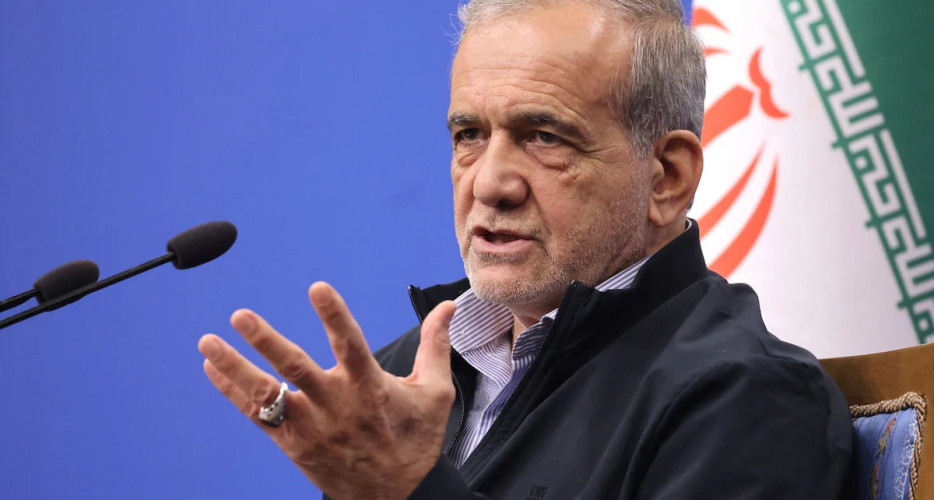
Peregraf — Masoud Pezeshkian warned that Iranian authorities will deal “decisively” with any separatist movements, in remarks widely seen as directed at Iranian Kurdish opposition groups based in the Kurdistan Region of Iraq.
In a message posted on X, Pezeshkian thanked residents of Iran’s Kurdish-populated areas for their support during what he described as “historic days,” while also signaling a firm security stance.
“I express my gratitude to the brave and honorable people of Kurdistan who have stood by Iran during these historic days,” Pezeshkian wrote. “I share the grief of the families of the martyrs and those wounded in these incidents. The Governor and the security-providing armed forces are duty-bound to deal decisively with any separatist movements.”
The statement comes as the war involving the United States and Israel against Iran enters its sixth day, heightening security tensions across the region and raising concerns that the Kurdistan Region could become entangled in the wider confrontation.
In recent days, the Kurdistan Region has been hit by a wave of drone and missile attacks. Security sources say more than 100 drones and missiles have struck various locations across the region in strikes attributed to Iran and armed factions aligned with the so-called “Islamic Resistance,” a network of Iran-backed groups operating in Iraq.
The repeated attacks have heightened fears among Kurdish authorities that the Kurdistan Region could be drawn into a broader regional conflict.
Earlier Thursday, Fuad Hussein said the Kurdistan Region does not allow any party to use its territory to launch attacks against neighboring countries, including Iran, as regional tensions continue to rise.
Kurdish officials have repeatedly stressed that the region is not a party to the conflict and intends to remain neutral despite the escalating tensions.
Security authorities in the Kurdistan Region have also increased coordination with Baghdad and tightened monitoring along border areas with Iran, where several Iranian Kurdish opposition groups maintain bases.
At the same time, sensitivities have intensified following reports in U.S. media suggesting that Washington is closely monitoring Kurdish-controlled border areas and considering possible support for Iranian Kurdish opposition groups based in the Kurdistan Region.
Such reports have drawn attention in Tehran, which has long opposed the presence of Iranian Kurdish opposition forces operating from bases in Iraqi Kurdistan and has previously carried out cross-border strikes targeting their positions.
Caught between competing regional pressures, Kurdish authorities have sought to rely on diplomatic engagement, security coordination with Baghdad, and repeated assurances that the Kurdistan Region will not be used as a platform for attacks against neighboring states.
With both Washington and Tehran closely watching developments, the Kurdistan Region faces growing pressure to maintain stability while avoiding deeper involvement in the widening regional conflict.