Al-Sudani's Coalition Urges Kurdish Parties to Agree on an Iraqi Presidential Nominee as Iraq Faces Constitutional Delays
Peregraf — The Reconstruction and Development Coalition, led by Prime Minister Mohammed Shia' al-Sudani, has called on Kurdish political parties to swiftly agree on a unified candidate for Iraq’s presidency. The coalition warned that continued delays risk worsening the country's institutional paralysis.
In a press release issued amid a prolonged political stalemate, the coalition noted that nearly two months have passed since the election of the Speaker of the Council of Representatives without the selection of a new president. The coalition described this delay as a clear violation of constitutional timelines.
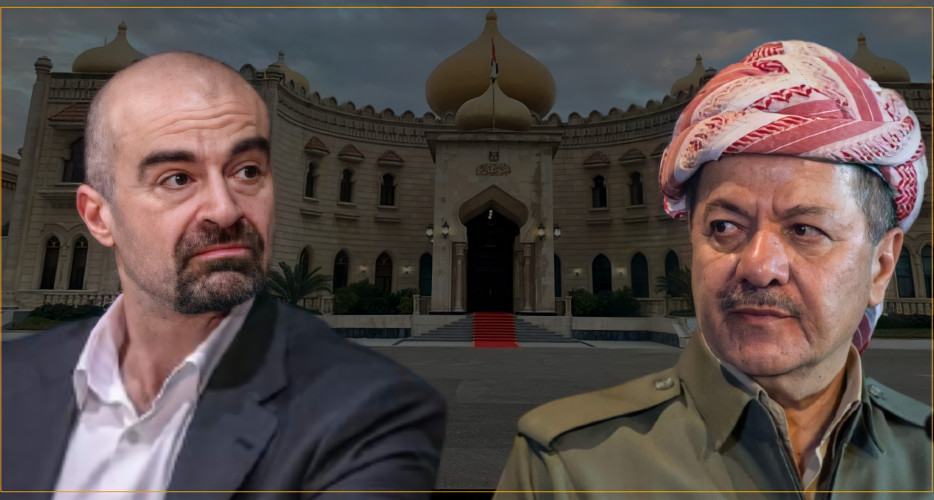
Under Iraq’s power-sharing system, the presidency is traditionally held by a Kurdish politician. This places the responsibility on Kurdish parties to nominate a consensus candidate. However, internal divisions among Kurdish factions have prevented an agreement on a presidential nominee, delaying the completion of Iraq’s new government structure.
The coalition urged parliamentary leadership to convene an urgent session next week dedicated solely to electing a president, stressing that adhering to constitutional deadlines is essential for restoring normal state functions. It emphasized that the ongoing political vacuum has disrupted governmental processes and weakened institutional performance across the country.
In a direct appeal to Kurdish political forces, the statement called on them to finalize their nominee ahead of the anticipated session. Doing so would enable lawmakers to proceed with the vote and move forward with forming a fully empowered government. According to the coalition, completing these steps is necessary to deliver public services, safeguard national interests, and reinforce political stability.
The statement also issued a warning regarding the continued operation of a caretaker government with limited authority, arguing that prolonged stagnation is causing tangible harm to citizens and state institutions. It cautioned that if the deadlock persists, the coalition will pursue all available constitutional measures to resolve the impasse and restore the proper political process.
This delay occurs amid broader tensions within Iraq’s political landscape, where disputes among key actors have repeatedly slowed government formation and institutional appointments. The presidency remains a critical post in Iraq’s political system, particularly given its constitutional role in endorsing legislation and officially designating the prime minister.
Kurdish parties, which have historically negotiated internally to present a single candidate, now face increasing pressure from Baghdad to overcome their divisions and fulfill what many Iraqi political factions view as a constitutional and national obligation.
With calls intensifying from the Reconstruction and Development Coalition, attention is now focused on whether Kurdish leaders can reach a consensus in time for a potential parliamentary session next week. This upcoming session is widely seen as a decisive moment for breaking Iraq’s latest political deadlock.